
As marketers, trying to grow audience engagement in crowded digital spaces can often feel like this:

The “brick wall” effect is brought on by a number of factors, from market oversaturation to buyer fatigue and banner blindness. Whatever the causes, there’s no denying that online users are engaging at increasingly lower rates. In fact, marketing leaders have even begun dubbing our current online environment as “The Age of the Lurker.” This comes after reports suggest a 42% drop in TikTok engagement rate between 2021 and 2023. But how exactly did we get to this point?
The truth is that consumers are tired of being marketed at—in fact, nearly a quarter of them stop giving money to brands that annoy them with marketing messages. Instead, consumers want to feel, for lack of a better term, marketed with. They want brands to bring them into the conversation, and they want to feel connected to the brands they purchase from. Hence, the age of personalized and interactive marketing is here.
The Power of Interactive Marketing
Interactive marketing is a powerful way to engage consumers with your brand before they make a purchase. This form of marketing not only delights consumers but also makes them feel personally connected to your brand. Early adopters of this strategy have seen up to double the amount of conversion compared to passive content, a testament to its potential.
Interactive Content Generates 2x More Conversions Than Passive Content
Where Creative and Digital Merge
Since the dawn of the internet, digital marketing and creative services have worked in parallel to one another—working towards the same goal, but never really crossing paths. What interactive marketing shows us, however, is the natural synergy between these two practices. Sure, there are the small things, like turning a static banner ad into a moving GIF; simple adoptions of the latest digital tech to supplement creative innovation. But what about the bigger things? I’m talking about augmented reality ads in mobile games or a Snapchat filter that lets you buy shoes via a virtual baseball game (Yeah, I’ll have whatever Adidas is on). The point is: today’s consumer isn’t going to be impressed by a simple GIF. Instead, focus on that unique melding of digital and creative; I think you’ll find that’s where your most valuable innovations lie.
Common Types of Interactive Marketing
1. Quizzes
It’s no secret that we as humans love taking quizzes. The “BuzzFeedification” of online personality tests has shown us the value of this type of interactive content as a marketing tool. As Melissa Hollis Goff, Editorial Director of Think Save Retire, puts it,
“If you want to get someone to do something – make it fun! People love to be entertained, and they also like to feel like they accomplished something, like a level in a video game. This is what makes quizzes a powerful way to get your audience to enjoy consuming your content – and might want to engage with you again.”
Example: BBR Holiday Campaign 2024
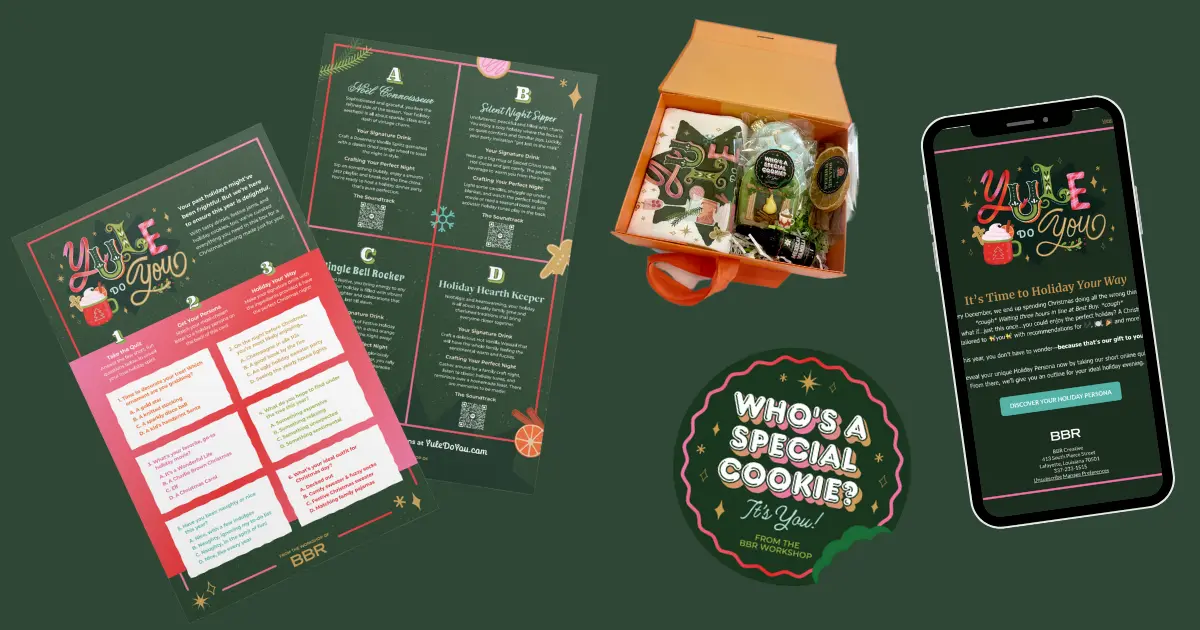
Every year at BBR Creative, we develop a themed holiday gift to send to our partners and friends. Historically, this has been in the form of cards and calendars. In 2024, however, we decided to switch it up. Instead of a one-size-fits-all approach, we let our recipients “holiday their way” by delivering a custom-fit theme just for them. To bring this to life, we developed a collection of playful holiday personas highlighting how people enjoy the season. We directed each recipient to take a quiz to identify their persona, along with recommendations for food, music and entertainment.
2. Interactive Infographics
Infographics are great for highlighting product differences and helping consumers make informed decisions based on their needs. The visual style of an interactive infographic draws attention and guides readers through the decision-making process in a much more engaging way than just reading an article. Consider adding clickable elements, animations, and other engaging features to bring your infographics to the next level.
Example: Marriott Hotels
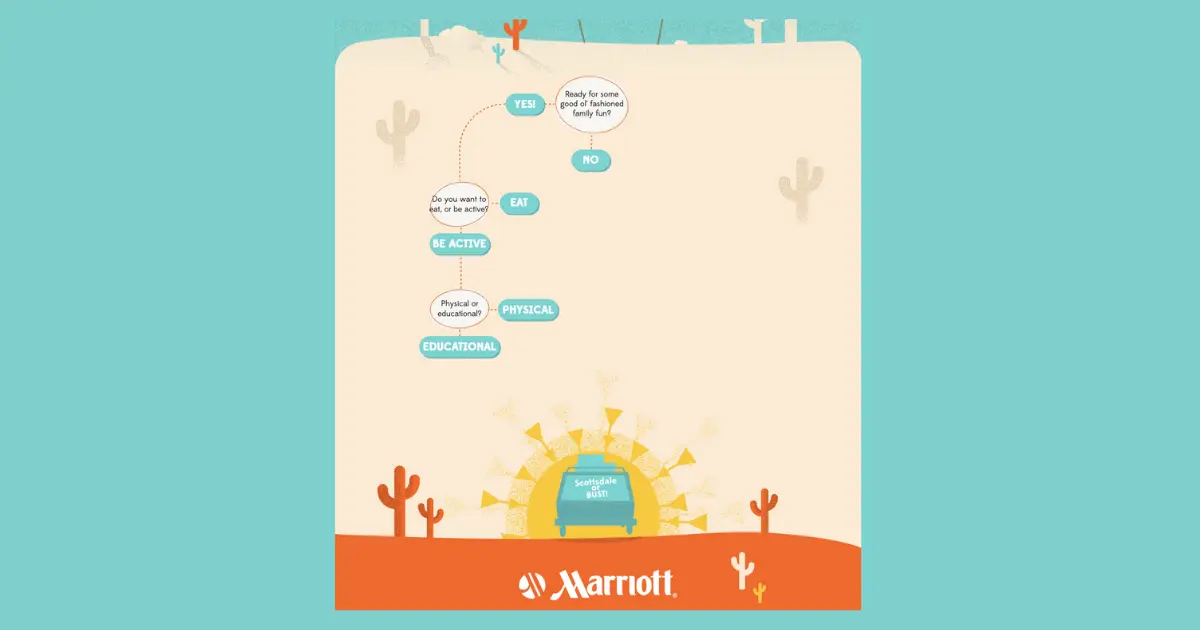
Marriott Hotels is making vacation planning even easier with these interactive infographics. The ability to find recommendations through a variety of filters is simultaneously fun and helpful. This tool’s fun visuals and usefulness give Marriott a leg up over the competition when it comes time to book a trip.
3. Conversational Commerce
Conversational Commerce has become a buzzword in recent years, with AI making it easier than ever for businesses, big and small, to implement. In short, conversational commerce is the practice of incorporating messaging and chat into the buying journey. This intersection of eCommerce and direct messaging provides a level of personal connection previously only available to brick-and-mortar establishments, opening up exciting possibilities for your business.
Example: OLIPOP
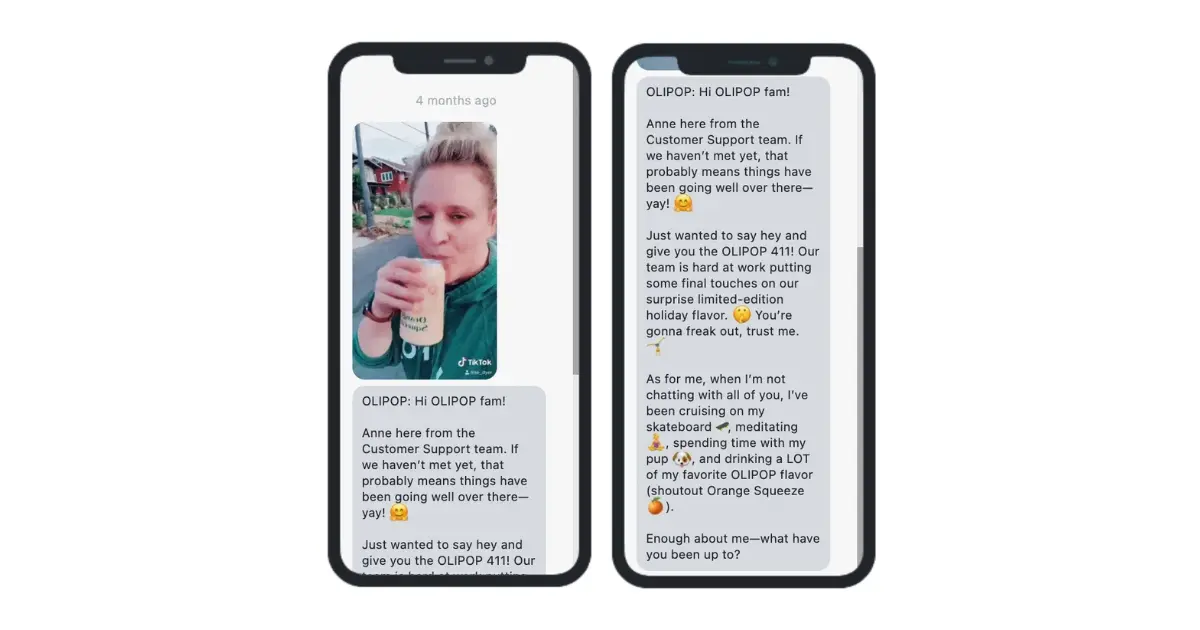
Photo via Thing Testing
SMS is a fantastic way to turn your marketing into a conversation, and no one is doing it quite as well as OLIPOP. Their down-to-earth messaging makes every text feel like a conversation with a friend. And, their SMS integration with customer service means that every reply can receive a direct response from their team.
4. Giveaways & Contests
Who doesn’t love free stuff? Giveaways and contests have been around forever, but online channels like social media, SMS marketing and email make it easier than ever to host one yourself. This approach is great for promoting new product launches, reaching follower/subscriber goals, and celebrating holidays and brand milestones.
Example: Cane River Pecan Red Tin Moment Campaign
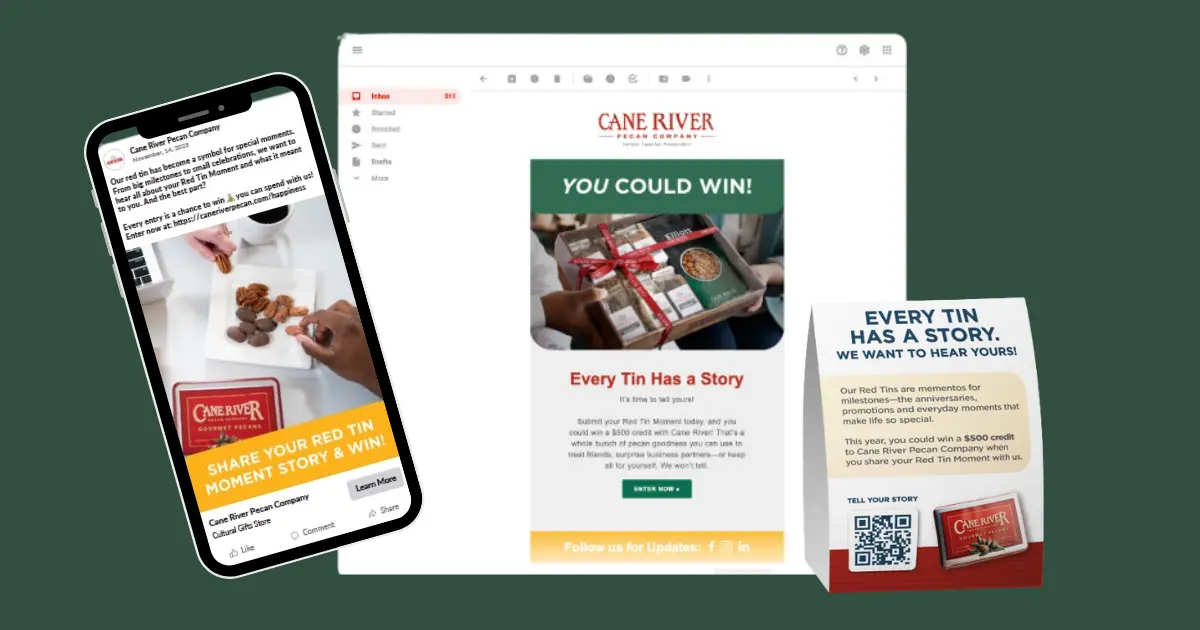
When Cane River Pecan Company needed to quickly increase sales for the holiday season, we knew re-engaging past customers would be our golden ticket. Instead of a typical promotional campaign, we reached out to past purchasers with one question: What is your favorite memory with Cane River Pecans? Thus, the “Red Tin Moment” was born. Named after the brand’s iconic packaging, the Red Tin Moment giveaway focused on reminding customers of their love for the brand, with a little incentive to sweeten the pot.
The results? Over 700 entries and a 15% lift in sales. Proof that nostalgia and pecans are a cracking combo.
5. Gaming
Picture this: You’re cruising along the Pacific coast when you see an ad for Verizon. Seems normal enough, right? But… oh. You’re not actually taking a drive down the PCH. No, you’re just at home playing a video game. Honestly, that probably isn’t too revolutionary in 2025. After all, product placement has been around in some form or another since the 19th century. How about, then, a live, in-game concert by your favorite artist to promote their new album? Now we’re getting somewhere.
In-game advertising, or IGA, offers basically infinite new worlds for brands to connect with their audiences. Growing interest in MMOs, or Massive Multiplayer Online games, means you can interact with hundreds of thousands of potential buyers from the comfort of their gaming chair. Imagine the best TV commercial placement you can think of—then imagine grabbing your audience’s hand and pulling them into the world of the commercial. This is what IGA can offer brands.
Example: Fortnite
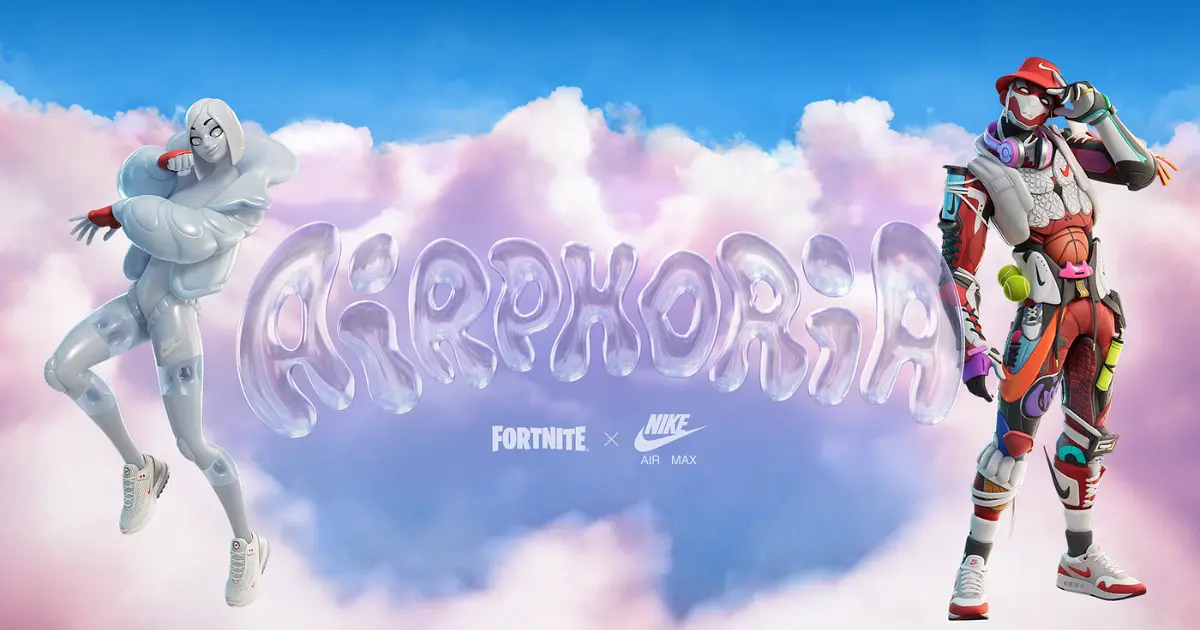
Photo via Medium
It’s impossible to mention IGA without mentioning Fortnite. What started as a simple battle royale game quickly grew into a cultural phenomenon, due in part to strategic brand collaborations. For example, Nike developed an entire virtual clothing line that users can purchase to customize their avatar. Real-world counterparts mean you can even match with your online persona. This mixture of the physical with the virtual means Nike stays top of mind, whether they’re logging hours at the gym or logging on to the game.
Questions to Ask
Diving into the world of interactive marketing can be daunting for brands that haven’t done so before. We often see things fall apart when the brand is unsure of its goal, doesn’t fully understand its audience or has a weak brand voice. Before you jump on the latest interactive marketing trend, ask yourself these questions:
- Where does my audience naturally communicate?
You’re looking for a niche. Maybe you have a more professional audience that prefers email. Perhaps you’ve got a profile of younger consumers who spend their time on social media. Finding those natural communication channels will help you understand how your audience wants to engage with your brand. - How can I disrupt my audience and gain their attention?
Going back to the beginning of the article: we’re in a marketing fatigue crisis. Banner blindness is worse than ever. Look for ways to stop consumers in their tracks and make them want to pay attention to your brand. - How can I provide value to my audience’s day?
You know your product or service is worth your audience’s time, but they don’t. What value can you provide to show them your worth? Now is not the time for overt sales messaging. Instead, look for places to deliver real value and watch your brand fans grow. - What perception do I want consumers to have of my brand?
Do you want them to see you as helpful and responsive? As personal and down-to-earth? Or maybe you want to be seen as innovative and ahead of the curve. How you want to be perceived will determine which interactive marketing strategy best fits your brand.
Start Engaging
Unfortunately, the days of “if you build it, they will come” are long over. Today, consumers are well aware of the power they hold, and only the most innovative of brands will continue to succeed in such an oversaturated marketing landscape. Stay ahead of the curve with interactive strategies that grab attention.
Need help making it happen? Your strategic marketing partners at BBR Creative are ready to help. With more than 27 years of experience supporting over 700 brands, we’ve got the interactive marketing strategies that grow brand fans.