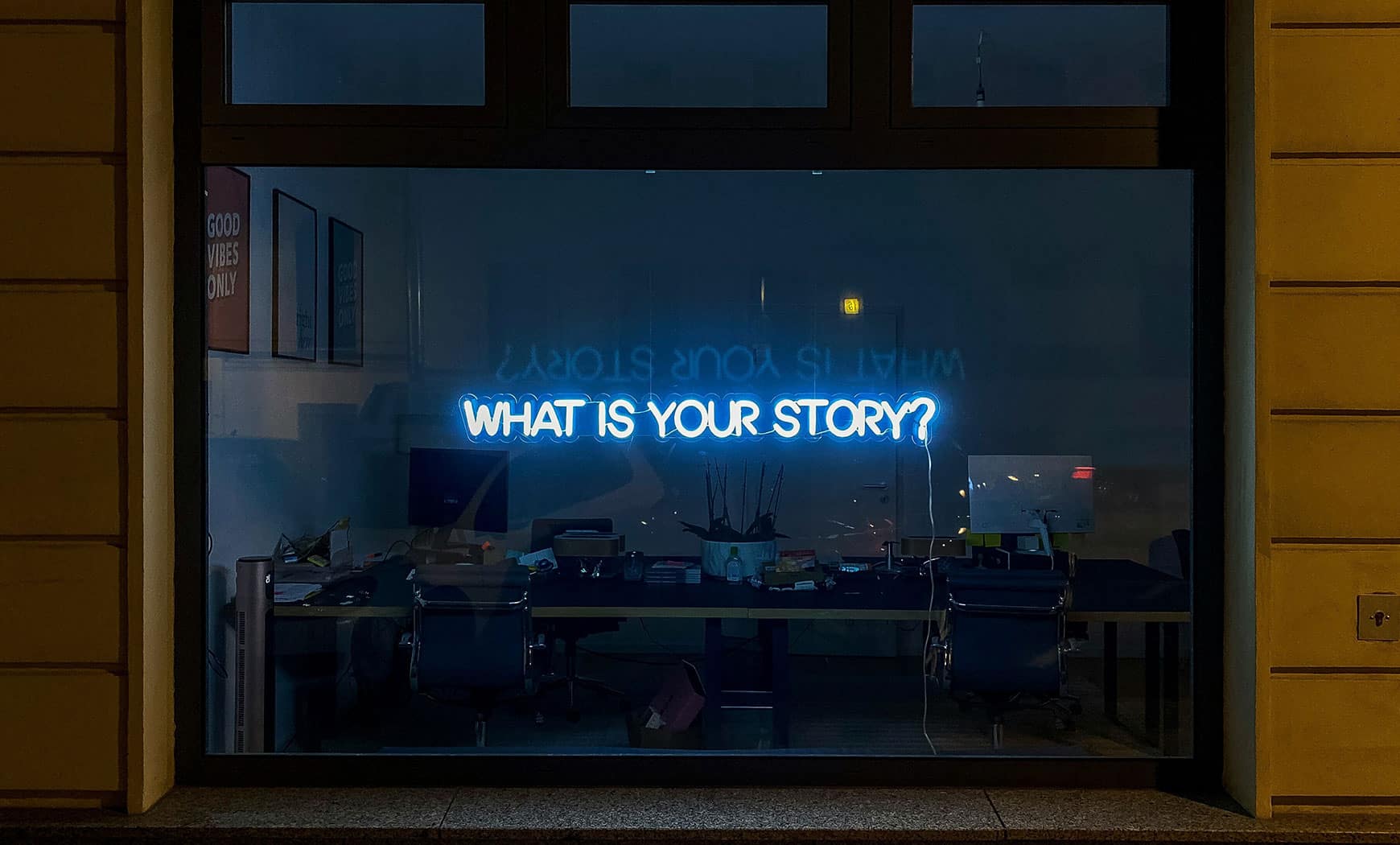
Once upon a time… a brand wanted to sell something, but no one seemed to care. Have you seen this movie? Do you know how it ends? Neither do we. Our team hit the skip button after ten minutes of the CEO banging on his walnut desk screaming, “Why aren’t there more clicks by now! We’ve spent over 10 million on this design! There should be a preorder list a mile long!”
People don’t buy fancy features. They don’t buy the lifetime you spent creating a thing. What they do buy is a well-told story of how those things arrive in their lives at precisely the right moment—all to help them conquer their villain (maybe weight loss, a busy weeknight, or even a long commute to work) and live happily ever after.
Today, this practice goes by plenty of quirky corporate names: brand storytelling, corporate storytelling, narrative marketing, and emotional branding, just to name a few. But the truth is, there’s nothing new about it. We’ve used story devices to capture attention and strengthen memory for thousands of years. Tribes would tell stories to remind their people where valuable resources like water or wild game were located.
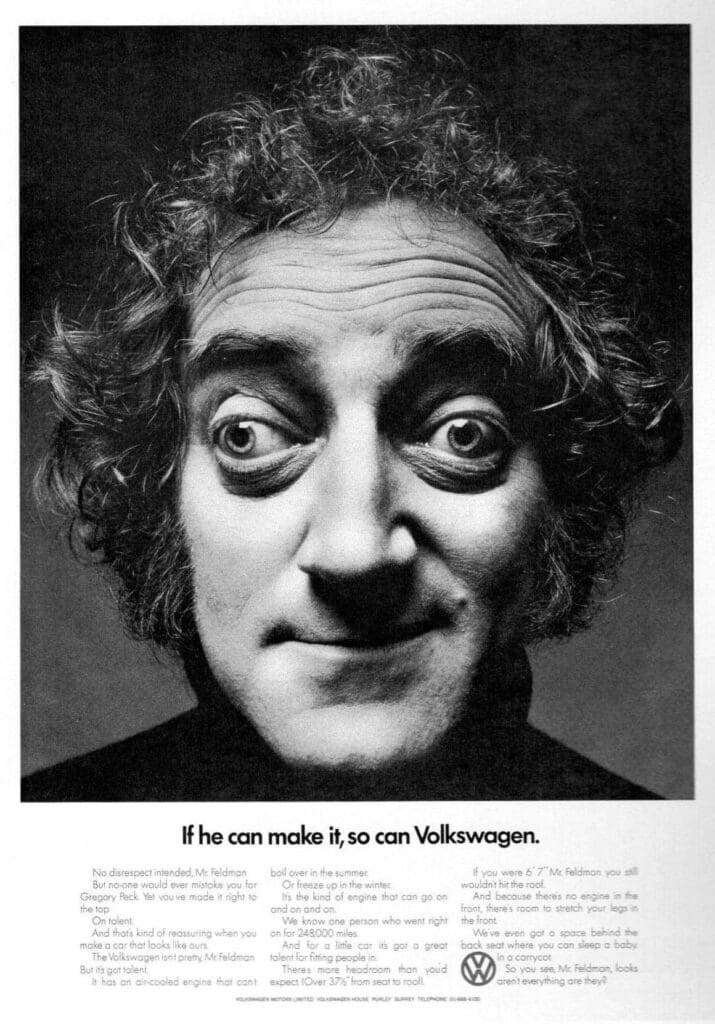
Storytelling isn’t even new to advertising. Golden Era copywriters like David Abbott and John Bevins used story as their primary vehicle for creating engaging body copy. Bold lead-ins that grab your attention, followed by body copy that weaves the product seamlessly into a short story, which delivers benefits in a way that both entertains and even delights.

So what’s different now?
For starters, we have the technology to maximize a story’s potential for creating brand fans. Social media apps. Pop-up activations. AR and VR deployment. AI integration. If there’s an idea in your head about how to bring your story to life, chances are there’s a tool for it out there.
There are plenty of marketing and branding agencies out there that do this well—and for teams stretched thin, they can be invaluable partners. But most internal brand teams often have all the tools they need to take the plunge.
Developing Engaging Brand Narratives
When it comes to using a story for marketing, remember: You aren’t making a salad—you’re baking a cake. What that means is, storytelling isn’t something you throw in here and there, hoping it will compensate for not being in all areas of your branding. It has to be fully incorporated across all channels and materials. Your story ultimately becomes your brand, and that’s what makes the difference for your audience.
Here are some practical steps to integrating storytelling into your brand marketing:
1. Define Your Brand Story
As stated above, your brand story should be the core of your brand. If you don’t have one, that’s a bit of a problem! The good news is, no one knows your brand better than you, so you likely have all of the insights needed to develop an engaging story that authentically captures who your company persona is and what it stands for.
Start with your history—how your brand came to be and the journey it’s taken since then. Don’t skip the difficult parts, because those make a story relatable. Identify why you exist and how that serves your audience’s journey. They are your story’s hero, after all.
When all is said and done, your brand story should cover your origin, target hero(es) (audience), their challenges, how your brand plays a part in solving those challenges, and of course, your mission, vision and core values.
2. Understand Your Hero
While your brand story identifies the target audiences you serve, it’s important to go a few steps further. Your hero, after all, is the lead in your story. When you shoot lifestyle photography, the people in those images will represent your audience—not you. So understanding these people in depth becomes essential for building stories that connect with them.
Often, the best way to learn about our brand heroes is to sit down and talk with them. You can use market outreach apps and good ol’ fashioned networking to find people who fit the description of your target audience. Next, schedule interviews with each that will help you uncover their challenges, desires and use cases for your products.
Once you’ve mined enough information from real-life hero representatives, it’s important to document your findings. You can use the common characteristics you found to develop hero personas for your ideal customers. These will help you craft stories that resonate deeply with them.
3. Celebrate Their Experiences
Creating stories that mirror your hero’s journeys is one thing. Celebrating real stories from actual customers is another! Amplifying personal anecdotes from your customer base is a great way to connect with other like-minded people—especially because the promotion comes from a peer, not the company itself.
Whether it be stories that are simply related to your values or testimonials that highlight how your product or service has positively impacted their life, these shared moments will build credibility and trust with your fanbase, encouraging potential customers to take the leap and try your brand for themselves.
4. Deliver Consistently Across Channels
As with most things, consistency is key with brand storytelling. If you only touch on your brand story now and then, your audience may begin to see you as unreliable, imitative or worse—untrustworthy.
By being consistent across all marketing channels, from your website and email campaigns to social media and advertising, you can create a voice that your audience will come to know and trust.
Does this mean you have to use the same words and messaging everywhere? Absolutely not. But it does mean that if your brand story says you believe in something, that something should exist in some way on every channel you inhabit.
Your story is a living, breathing thing that can flex when and where you need it to. For example, you could make multi-channel campaigns where different parts of your story are shared across various platforms, encouraging your audience to follow along. There is space to be creative. Just don’t forget to be consistent, too.
5. Highlight Social Responsibility and Impact
Younger generations are increasingly concerned with social awareness and the impact of the brands they use. In fact, according to Porter Novelli’s 2021 Purpose Perception Study, 72% of respondents said they are more likely to be loyal to a company that is purpose-driven in its beliefs. What’s more impressive, 70% of respondents said they’d be willing to defend a company that makes a misstep if that company overall acts with a higher purpose.
So what does this tell us? Your company’s behavior beyond sales matters. And the more you can connect that extracurricular work to the values and mission in your brand story, the stronger the trust you’ll build with those who follow and buy from you.
If you have social causes your brand supports, share those stories. Illustrate them in pictures, videos and interviews with those who participated. If you don’t currently have any causes, do some soul-searching. What does your brand really believe in, and is there a cause out there that aligns with that?
Take inspiration from brands like Ben & Jerry’s. They often connect social efforts to the process of making ice cream, supporting Fairtrade Certified ingredients to ensure that farmers everywhere get appropriately compensated for their work. But in addition to that, they work with social equality organizations to support reform for minorities, LGBTQ+ members and disadvantaged youth.
While these focus areas are by no means comprehensive, they are a great starting point to take your narrative marketing from 0-100 quickly. Once your stories begin to meld with your overall brand voice, that’s when you are likely to see your largest jump in results—and then the real fun begins.
Understanding How Story Enhances Brand Experiences
So, you now know how to develop brand narratives worth caring about. But creating stories is just one phase of this process. Following your stories into the world and assessing their impact can provide insights that guide future “chapters,” allowing your team to reinforce or adapt where needed.
But to do that, you need to understand all the ways storytelling will influence your brand. These areas will act as your mile markers, showing you how far your efforts have taken you—and where there may be opportunities for further growth.
Here are some of the biggest indicators of successful brand storytelling:
Emotional Connections
Good brand storytelling is relatable and genuine—and it fosters trust and loyalty over time. When our audiences can relate to what we say and do, they are more likely to see themselves in our advertising and experience emotions that inspire them to chase their goals and overcome their challenges.
Consumers who feel emotionally attached to a brand are more likely to become repeat customers and advocates online.
Iconic Identity
Storytelling lets us highlight the parts of our brands that make them unique from competitors. By sharing the parts of our company that define us—things like our origin, core values and reason for being in business, we can resonate with like-minded consumers who want to empower their journeys with brands that think like them.
Consumers who can differentiate your brand from competitors are more likely to identify your marketing, leading to lower activation efforts needed in the future.
Humanized Perception
One of the worst things a consumer can see your brand as is…a company. Companies are transactional. Companies are profit-driven. Companies are opaque and difficult to trust.
But through story, we can break those barriers down. We can give a face to a brand—the people behind the products and services. We can tell individual stories that explore real struggles and highlight victories. These vulnerable details can define our character and make us feel human to people who may only ever interact with us through online posts or out-of-home advertising. This makes the brand more relatable, trustworthy and human.
Consumers who see our brands as human are more likely to trust our marketing and engage with our content.
Simplified Brand Benefits
Stories can help us turn complex information about products and services into easy-to-understand benefits that relate to real life. And if your audience is better able to see why your product is superior—and how it can improve their life—reason stands that they’re probably more likely to try it, too.
Consumers who understand your marketing, and by extension the value of your products and services, are more likely to convert.
Thriving Fan Communities
When an audience fully buys into a brand story, they seek ways to share those values, interests and beliefs with others. Whether it’s brand-led or fully fan-driven, brand communities serve a valuable purpose for building trust, attracting newcomers and lifting sales.
Similar to how testimonials give a layer of credibility to your marketing, fan communities offer a way for like-minded onlookers to hear from your fans directly. This way, they get insights into how real people use your products and what they actually think about them—without any hidden agendas or expectations.
These communities also highlight shared values and experiences among your consumers, providing a place where people can be themselves and feel like they belong. The more engaged people become with your communities, the more friendships they may create, strengthening their connection to the community itself—and by extension—your brand as a whole.
Consumers who have access to community-led fandom are more likely to engage with your brand and trust your quality.
What Story Will You Tell?
Congrats, friend. You’ve made it to the end credits of this blog, but your story is just beginning. With the foundations we’ve covered here, you’re ready to define your brand and share it with the world in a way that inspires, engages and ignites action in the people that matter most to your business—your customers.
Want an authentic story, but you’re not sure where to start?
We can help with that! From brand & marketing assessments to brand story development, our team can give you the building blocks you need to create a story worth sharing. Contact us today to talk possibilities or check out our services to learn more about how we can support your brand story.