
In life, as in business, one thing remains certain: change. Over the last century, we’ve seen the shift from an industrial economy to an information economy, and then to an attention economy. Consumers’ expectations continue to surge as we enter a new era: the Urgency Economy.
In this article, I’ll share what it means to do business in an Urgency Economy, opportunities to thrive, challenges to overcome—and key advertising strategies for engaging consumers in this fast-paced, digital-first world while maintaining brand authenticity and relevance.
The Business World as We Once Knew It
Before discussing today’s world, let’s turn the clock back a hundred years and see where we’ve been, and how we got where we are today.
Early 20th Century—Industrial Economy
The industrial economy was characterized by mass production, standardized goods and assembly-line manufacturing—think steel mills and other giant factories. It relied heavily on physical resources and labor-intensive processes for economic growth and prosperity. Key industries included manufacturing, agriculture and transportation.
Late 90’s—Information Economy
The information economy emerged with the advent of digital technologies and the widespread availability of information. Knowledge became a valuable asset, and industries such as technology, telecommunications and finance flourished. Information became a currency, driving innovation, productivity and competitiveness.
Mid-late-2000—Attention Economy
The attention economy shifted our focus from information to attention as the primary currency for consumers. It shifted business’ biggest competitors from like-minded brands, products and services to The Entire Internet.
In a world where we’re bombarded with stimuli, capturing and maintaining consumers’ attention AND getting them to make a buying decision became crucial for businesses. Businesses competed for brand mindshare through targeted advertising, personalized content and engaging experiences.
Brands Who Won the Attention Economy
Several brand creative campaigns captured and maintained consumers’ attention amidst a flurry of content and distractions.
They did so by creating engaging, relevant and shareable content that captured consumers’ interest, nurtured engagement, and drove brand awareness. Here are a few that led the pack.

Publix Super Markets
In the “Publix Aprons Cooking School” campaign, they hosted events across the southeast, with cooking classes, cooking demonstrations, and food tastings. They promoted the events on social media and through email marketing. They captured customers’ attention by offering engaging culinary experiences that aligned and resonated with their target consumers’ lifestyle and interests.
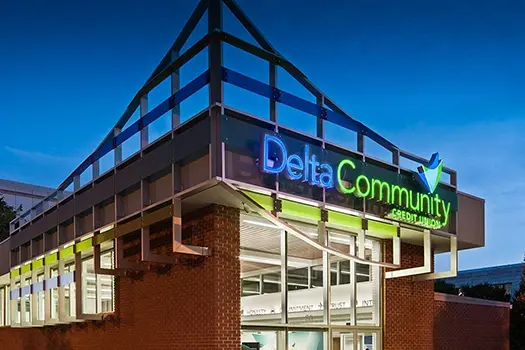
Delta Community Credit Union
They launched a financial educational center, in which they offered educational workshops, webinars and online resources to help current and prospective members improve their financial literacy and well-being. They used social media and other digital platforms to attract attention by sharing valuable financial insights to common financial challenges.
Chick-fil-A
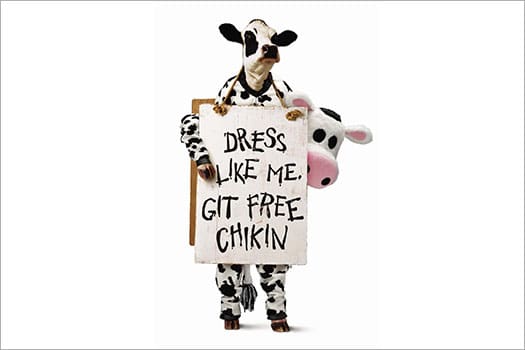
Chick-fil-A’s annual Cow Appreciation Day encourages customers to dress like cows to get free food, which has generated mass appeal and engagement both online and offline. The campaign uses social media to amplify participation, enabling them to reach a broader audience.
Shifting from the Attention Economy to the Urgency Economy
We’re no longer in the Attention Economy. We’re now all doing business in an Urgency Economy. An Urgency Economy reflects the increasing pace of our lives and businesses in today’s hyper-interconnected—and internet-dominated—world. With advancements in AI, tech, communication and transportation, consumers’ expectations for instant gratification and immediate responses have skyrocketed. Consumers now demand more convenience, speed and efficiency in every aspect of their lives, driving businesses to prioritize agility and responsiveness.
The Upsides and Downsides for Brands in an Urgency Economy
While the Urgency Economy offers opportunities for innovation and growth, it also presents challenges such as increased competition, shorter product life cycles and heightened expectations.
Fast vs. Good
One of the biggest downsides for brands and brand creative campaigns in the Urgency Economy is the risk of sacrificing quality and authenticity for speed and immediacy. To meet consumers’ heightened expectations, brands might fall into the sand trap of prioritizing rapid execution over thoughtful strategy and craftsmanship. This can result in hastily produced brand content that needs more depth, creativity and relevance—ultimately diluting brand messaging and eroding consumer trust.
More vs. Less
The pressure to constantly deliver urgent messages and time-sensitive promotions may, if not handled carefully, lead to consumer fatigue and desensitization, diminishing the impact and effectiveness of brand creative campaigns over time.
Short vs. Long Term
The Urgency Economy increases the likelihood of quick-turn decision-making among brands, undermining long-term brand-building efforts and sustainability.
Like Attracts Like
Part of what is acutely driving these heightened expectations is that consumers spend most of their time on other sites (or apps) and prefer your site (or app) to work the same way they already know. This is known in the UX world as Jacob’s Law. It has significant implications for consumers’ expectations regarding the behavior of brands, products and services, especially in the context of on-demand streaming services, iPhone apps and similar digital experiences. Brands that fail to align with users’ expectations risk losing relevance and market share. Consumers expect brands to evolve as they become accustomed to specific interaction patterns and design conventions. Therefore, continuous user research, feedback analysis and usability testing are essential for brands to stay attuned to shifting consumer expectations and preferences.
How to Reach Consumers in an Urgency Economy
To mitigate these downsides, brands must balance urgency and quality, ensuring their creative campaigns are timely and impactful while focusing on authenticity, creativity and consumer value. Here are eight approaches and examples that are doing just that by emphasizing the importance of immediacy, speed and responsiveness in consumer interactions at the right place at the right time.
1. Real-Time Marketing
Embrace real-time marketing tactics to capitalize on current events, trends and cultural moments. Monitor social media conversations and news cycles to identify opportunities for timely and relevant content that resonates with consumers’ immediate interests and concerns.

Krispy Kreme Doughnuts
Krispy Kreme leaned into National Doughnut Day by launching a real-time social media campaign. They kept an eye on social media chatter and news cycles to find opportunities for engaging content. Using timely posts, they capitalized on the event’s heightened popularity, sparking conversations and driving foot traffic to their store locations.
2. Personalized Communication
Leverage data-driven insights to personalize your brand messaging and creative content based on consumers’ preferences, behaviors and purchase history. Tailor your campaigns to address their needs and desires, enhancing relevance and driving engagement.

Emory Healthcare
Emory uses personalized messaging as part of their MyEmory patient portal, delivering custom health tips, appointment reminders and educational how-to content based on a patient’s media history and individual preferences. This data-driven campaign increased engagement and strengthened connections with their patients.
3. Short-Form Content
Consumers have limited time and attention spans. Create concise and impactful content that delivers your message quickly and effectively. Utilize formats such as short videos, GIFs and infographics to capture attention and convey your brand story compellingly.

Visit Orlando
Visit Orlando created a campaign called “Orlando in Seconds.” In this video series, they quickly highlight popular attractions, must-see places and things to do in the city. These short, visually lush videos—specifically made for social media—captured views by conveying the excitement of visiting Orlando in a concise yet impactful way.
4. Mobile Optimization
With the proliferation of smartphones and mobile devices, optimize your brand creative campaigns for mobile platforms to ensure seamless accessibility and engagement. Prioritize mobile-friendly formats and responsive design elements to reach consumers wherever they are, enabling quick interaction and conversion.
Waffle House
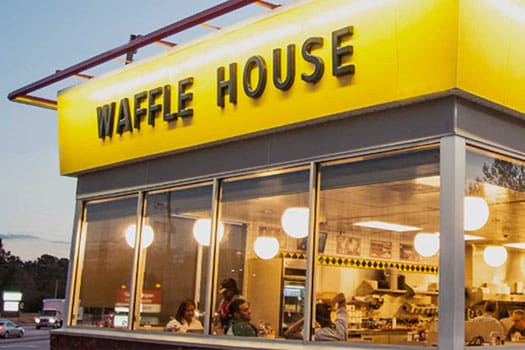
Waffle House launched a new mobile ordering app, giving customers the ability to place orders, customize their meals and pay ahead for pickup or delivery. They optimized their app for mobile platforms, providing a seamless and easy ordering experience for customers who were on the go.
5. Interactive Experiences
Engage consumers through interactive and immersive experiences encouraging active participation and exploration. Incorporate gamification, quizzes, polls and interactive ads to captivate audiences and deepen their engagement with your brand.
Piedmont Healthcare
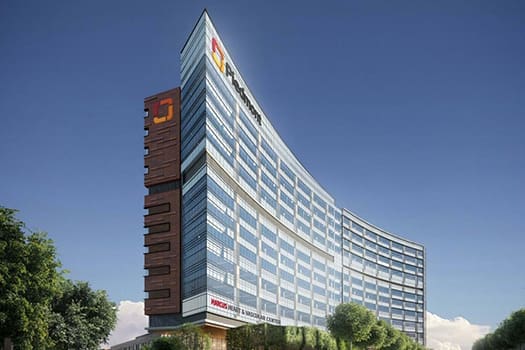
Piedmont launched a virtual tour experience that allowed patients to explore the facilities, specialty clinics and rooms from the comfort of their couches.
6. Influencer Partnerships
Collaborate with influencers and content creators with a strong presence and influence on social media platforms. Partnering with relevant influencers allows you to tap into their engaged audience base, amplifying your brand message and driving immediate impact and credibility.

Vanderbilt Health
Vanderbilt Health worked with social media influencers who have a strong following amongst health and wellness fans. They shared educational content, health tips, and testimonials about Vanderbilt Health services and programs. Through this partnership, Vanderbilt Health was able to promote its brand story, reach a bigger audience, and further cement its credibility in the health and wellness space.
7. Urgency-Based Offers
Judiciously create time-sensitive promotions, flash sales and exclusive deals that instill a sense of urgency and compel consumers to take immediate action. Highlight limited-time offers and scarcity to drive excitement and urgency, prompting consumers to purchase quickly.
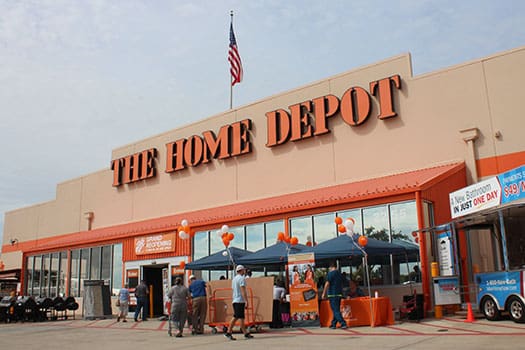
The Home Depot
Home Depot launched a Labor Day weekend flash sale, offering limited-time discounts on DIY home improvement products. By underscoring the limited-time nature of the promotion and deals, they created a sense of scarcity and excitement, prompting customers to take action and make purchases.
8. Optimize the Customer Experience
Optimize the customer journey and reduce gaps, weaknesses and obstacles to improve the consumer’s experience. Focus on reviewing and optimizing your media channels, be it website, landing pages or checkout process, for speed and usability. This can help reduce barriers to conversion and maximize the impact of your brand’s creative campaigns.
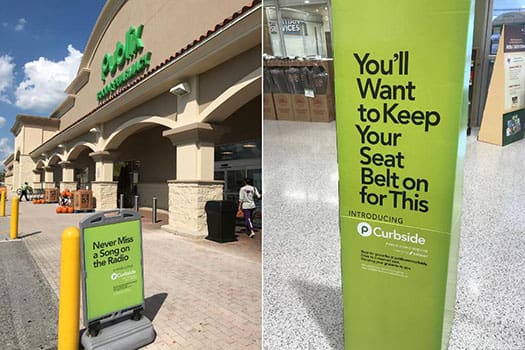
Publix Super Markets
Publix leveled up its online ordering and curbside pickup experience to optimize its customer journey. It streamlined its site and checkout process for speed and better usability, reducing barriers to purchase conversation and enhancing the overall grocery shopping experience for customers.
Evolve to Thrive
The move from an Attention Economy to an Urgency Economy underscores both the rapid pace of change and the rallying cry for businesses to evolve their brand creative campaigns so they can thrive. We believe that by embracing these eight strategies, we can all win in the Urgency Economy.