
—
Having worked in marketing for over a decade with a front-row seat to the ever-changing landscape of the industry, I’ve witnessed marketers continually challenged by not only technological developments but also a strong desire to cut through the clutter and get valuable exposure for their brands. Of the dozens of clients I’ve served over the years, many have expressed frustration in developing annual marketing goals and plans and sticking to them as “new, shiny objects” arise throughout the year. Whether you’re in the food and beverage space, a healthcare system or a regional credit union, nailing your direct-to-consumer marketing efforts isn’t always easy.
From defining clear objectives to embracing data analytics and fostering cross-departmental collaboration, this guide offers a strategic approach to staying agile and keeping your audience in focus. Let’s dive in with the five things I consider non-negotiables for success:
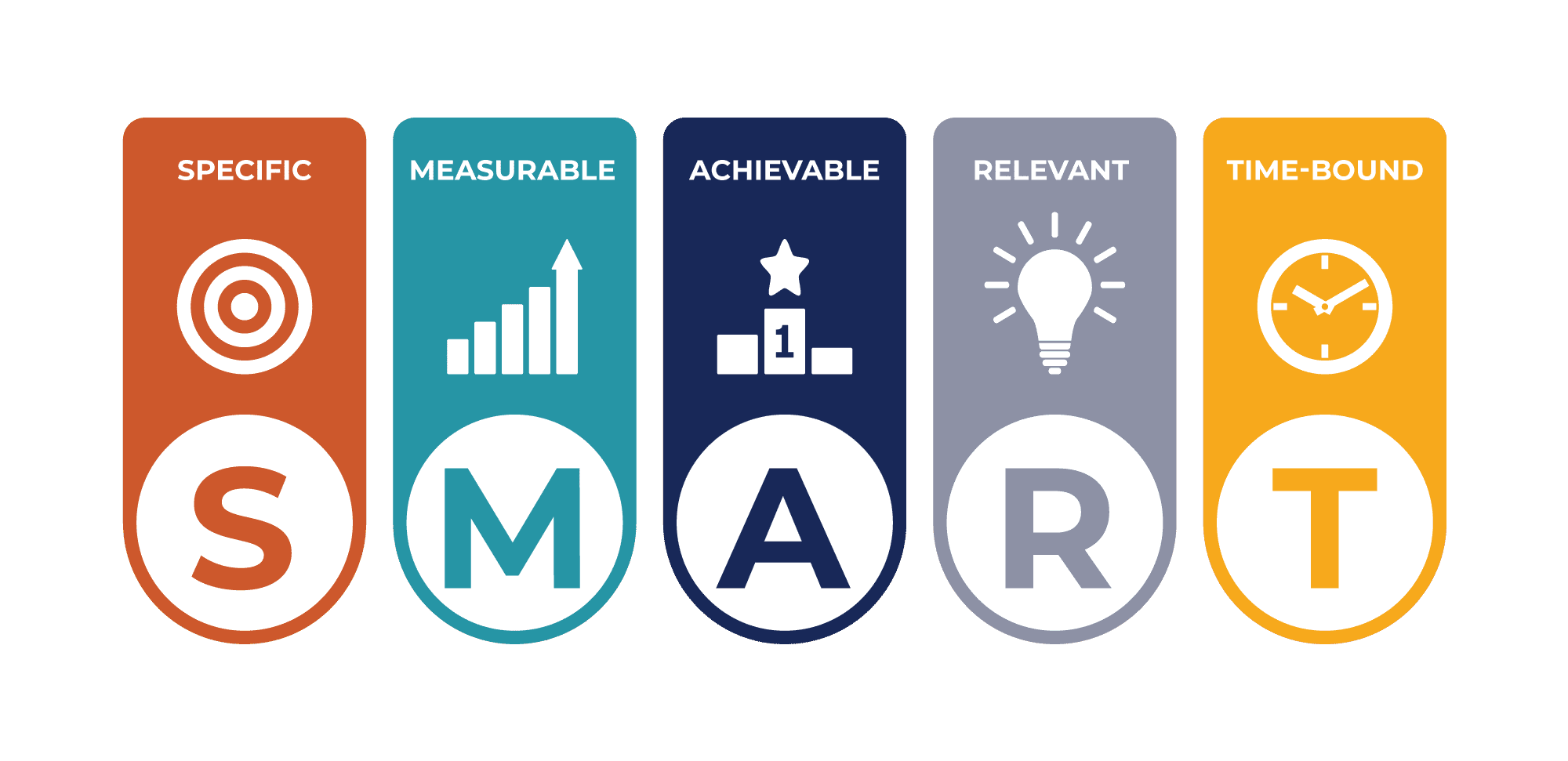
1. Define SMART Marketing Objectives to Align Strategy and Annual Goals
Failing to establish clear and specific marketing objectives can lead to a lack of direction. This is a big mistake you want to avoid, but let’s take it one step further.
Are your annual marketing objectives in alignment with the business’ goals? Has leadership clearly defined what success looks like? These are critical components of a SMART marketing plan. Without this alignment and well-defined strategy, your efforts may result in inefficient resource allocation, engagement in random tactics and difficulty in measuring the success of your marketing efforts. Focusing on the wrong things and simply “checking the boxes” can quickly become a distraction to driving real business impact and results, too.
💡 Pro Tips:
- Ask for a seat at the table to gain insight into business goals, challenges and priorities for the year
- Ask open ended questions like:
- What does success look like in marketing for our business?
- What are the top 3-5 things we want to achieve this year?
- What measurable goals have been defined, i.e., revenue growth, key dates for new product launches, percentage growth for certain product/service lines, etc.
- Be proactive, setting your own goals and KPIs, then inform/ask others for feedback.
- Ensure each goal or objective has a strategy defined, and check your marketing plans/initiatives against this. Don’t just create a plan to feel productive; ensure you’re spending valuable time and resources on components that ladder up to a bigger goal and drive toward intended results.
- Communicate your needs clearly (verbally and in writing) to your supervisor or other senior leaders of the team. Provide sound reasoning and outside resources to justify requests like additional hiring needs or budget increases.
- Remember to keep YOUR brand at the forefront of marketing planning to ensure authenticity in your approach: who you are, what you do, your values and brand promise, what makes you different, customer personas, etc.
- Check out our article, Elevating Your Brand: A Guide to Building Long-Term Value for insights on brand building to drive business impact
2. Leverage Data Analytics to Drive Marketing Success
Neglecting the importance of data-driven decision making is a common pitfall. Some marketers may not adequately utilize analytics to measure the performance of campaigns, customer behavior and ROI.
Taking a deeper dive into both the quantitative AND qualitative data will help you to optimize your strategies, improve targeting and allocate resources effectively. Without proper analysis, your efforts can lead to wasted budget and suboptimal results — both of which we know you want to avoid.
💡 Pro Tips:
- Get to know your key data points for each primary marketing channel; establish baselines to measure future month-over-month and year-over-year changes and communicate those consistently.
- Consider the seasonality of your business/industry and use that information to create accurate projections (and to brainstorm strategies for avoiding or improving future lulls).
- Compare your own data points to industry standards and competitors. Where are you already succeeding, and how can you capitalize on that success? Where do you want to see improvements over the next year?
- Remember to keep the full picture in view. Evaluate data through the lens of your entire customer journey, not just on a channel-to-channel basis. This is where the greatest insights can be gleaned to improve your multi-channel approach in order to meet those annual marketing goals.
3. Understand Your Target Audience for Better Annual Marketing Results
How clear of an understanding do you have of your core, target audience? Do you know the depths of your audiences’ buying behaviors, geographic location, pain points or psychographics in general?
Failing to clearly define and truly understand your target audience can undermine the effectiveness of your marketing efforts. As marketers we know now more than ever that messaging and campaigns must be tailored to affect and reach the right audience—you can’t be everything to everyone. More importantly, if you’re unable to cut through the clutter, your audience will not receive and/or resonate with your messaging, nor will they be compelled to take desired action.
💡 Pro Tips:
- Don’t try to be everything to everyone. Identify your true core audiences, and research, learn and document whatever you can about them. Map your customer journey and understand how audiences will interact with your brand at every step.
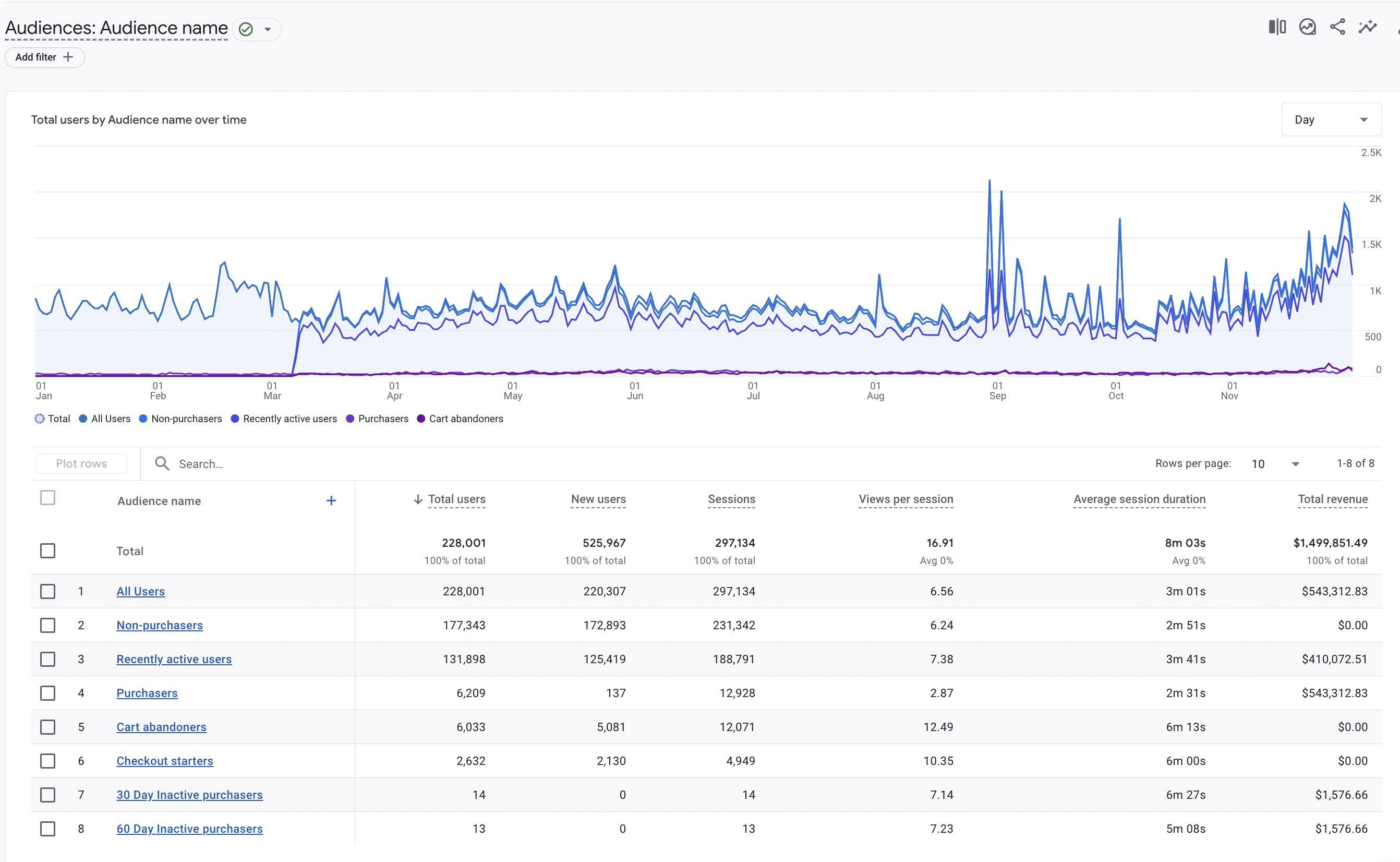
- Invest in target audience research and data analysis on the front end to avoid poor engagement, low conversion rates and a failure to build meaningful connections with your potential customers. There are likely resources available to you depending on what platforms you currently use. For example, if Google Analytics is live on your website, you can generate an “Audience Report” to learn more about your users, their behaviors and buying power. Tools such as Crystal Knows and Qualtrics are popular for audience insights, too.)
- Be sure to use your audience insights to inform annual marketing goals and efforts. This information is only valuable if it’s used.
- Test and iterate. Just because certain visuals or messages appeal to some people, are they appealing to the right people? Do they make your target audiences “feel something” and “do something”?
4. Be Flexible and Adapt as Needed
“If it ain’t broke, don’t fix it.” Seems logical, right? Perhaps. But in the ever-changing world of marketing, this is sometimes the quickest way to sabotage your brand marketing efforts. Sticking rigidly to the original marketing plan without room for adaptation is a common error. Today’s marketing landscape is dynamic and unforeseen changes can occur throughout the year.
Sure, there are components that (if you’re an established brand) you may find tried and true, but lack of flexibility can lead to missed opportunities or inefficient resource allocation. You should plan to regularly reassess your strategies and be willing to adapt based on market shifts, emerging trends or changes in business priorities. (PS. This doesn’t mean jumping on every new TikTok trend, it’s just a reminder that evaluating what’s working and what’s not shouldn’t be happening just once or twice a year.)
💡 Pro Tips:
- Know when to give it time and when to call it. There’s a fine balance between pivoting too quickly when something ‘isn’t working’ and letting something go on far too long because it was ‘part of the plan.’ Just launched a new campaign a week ago and aren’t seeing an impact yet? You probably need to give it time. Been running the same ad campaign for 3-6 months and still not generating any measurable results? It’s time to start making some changes (then continue to test and iterate).
- NEVER set it and forget it. In this rapidly ever-changing world, we oftentimes have to pivot at a moment’s notice. Be honest with yourself when something just isn’t working or when a predetermined strategy is no longer appropriate given current circumstances.
- Keep annual marketing plans relatively high-level; evaluate plans quarterly and outline tactical plans at that time.
- Don’t allocate your whole budget at the beginning of the year. Keep some ‘contingency’ to use for unexpected needs or timely opportunities that arise throughout the year.
- Set the expectation for iteration up front. Let your peers and supervisor/senior leaders know that your plan can (and probably will) evolve as the year goes on.
- For more tips, check out this article from BBR’s Founder, Embracing Change: A Marketing Professional’s Guide to the New Year
5. Prioritize Consistent Communication and Collaboration
Marketing teams/efforts can often be perceived as a cost center. Let’s work to avoid this misconception and instill a stronger sense of value to your role and your organization at large. Failing to foster collaboration between different departments, such as sales and product development, can hinder overall organizational success. We know that a lack of communication may result in disjointed efforts, so how can marketing help to serve as the glue?
Is your customer’s experience online with your brand the same they experience if they call in to your customer service line? What about when they get an email from you or visit your physical location? (See note about customer journey mapping above.) We understand not all of these elements should fall on marketing’s shoulders alone, but you can definitely help to establish consistencies and efficiencies where possible. Misalignment between departments can lead to inconsistencies in messaging, customer experience and overall brand perception. Strong cross-functional relationships are essential for a cohesive and successful marketing strategy.
💡 Pro Tips:
- Consider periodic alignment meetings between cross-departmental leaders. Share quarterly plans, and ask for advance notice for any upcoming changes that marketing will need to support. Other people are usually happy to accept help when it’s offered. Ask departmental leaders “How can I help you reach your goals? How can we work together to ensure this is a success for everyone?”
- Proactively share updates from the marketing department with other departments for awareness. Launching a marketing campaign that you expect will lead to more calls or emails? Planning a promotion that customer service reps will likely be asked about? Let the appropriate parties know about these plans in advance, communicate key details and ensure everyone is on the same page before launch.
- Remember to keep your agency and other outside partners in the loop too. The more we know, the better we can help.
- Explore ways to gamify or incentivize your team to work towards annual goals, and remember to celebrate your wins!
If you’re ready to step up your strategic marketing game and could benefit from an outside expert perspective, contact us for a free consultation.