
Do you remember the last time something didn’t live up to your expectations?
We’ve all experienced it. Take fast food, for example. The commercial shows a tall, juicy burger practically glowing under perfect lighting. Then you pull into the drive-thru and get handed something that looks like it lost a fight on the ride over. The marketing made a promise, but the experience told a different story.
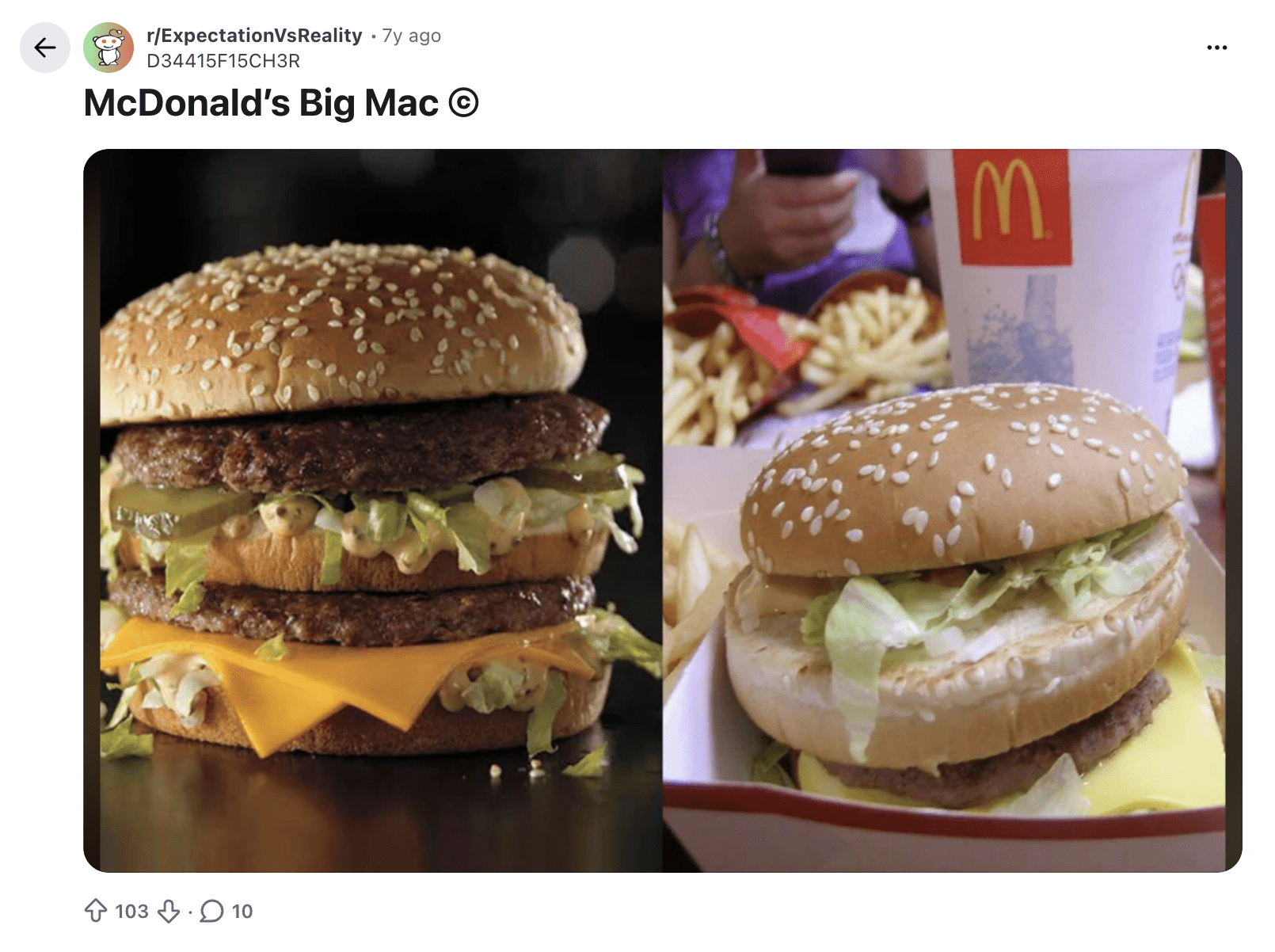
[Credit to u/D34415F15CH3R on Reddit]
The same can be true for any organization. A credit union says, “We’re different because we know our members personally.” Then, a new member has to repeat their information to three different departments, fill out the same form twice and wait two weeks for a response. It’s the burger problem in a different form. The promise creates an expectation, and every interaction that follows either reinforces that expectation or chips away at it.
This is why brand consistency is so important. It turns a collection of individual interactions into an experience that feels intentional, familiar and trustworthy. For credit unions, everything from your advertising and onboarding to branch visits and customer support shapes members’ trust in you.
When every experience delivers on the same promise, trust grows. When it doesn’t, members will believe the experience they actually have—not the one your marketing promised.
Yes, It’s Bigger Than Fonts, Colors & Logos
Yes, a big part of brand consistency lives in its visual and verbal communication. That means things like colors, fonts, design elements and logo treatments should remain the same wherever your brand shows up. But this is Brand Consistency 101 territory. Let’s talk about the next level of consistency—how your brand manifests itself and how it makes others feel.
Does your friendly, community-first messaging carry through into your onboarding process? Does your digital experience feel as supportive as your in-branch experience? Does your member service team sound like the same organization your marketing campaigns hyped up?
Because nothing creates friction faster than saying “we’re here for you.”…followed immediately by a customer service labyrinth with seventeen button prompts and a robot teller that has the emotional warmth of a parking ticket.
For credit unions specifically, consistency is about whether your values show up the same way everywhere members interact with you. In many ways, that means the member journey is your brand experience.
Still, many organizations think of branding as the snazzy top-of-the-funnel stuff, like awareness campaigns, billboards, cute social media videos and the like. But consumers—and by extension, members—don’t separate “marketing” from “experience” nearly as much as businesses do. To them, it’s all The Brand™.
This perspective turns the member journey into a series of trust-building moments. Let’s walk through what that looks like in practice.
Phase 1: Awareness
“Who are you, and why should I care?”
First impressions matter.
We’ve all heard it before. And while we may mostly equate this to job interviews and meeting the in-laws, it’s just as much true in brand marketing. The awareness stage is where first impressions begin shaping expectations. For an unaware audience, the goal at this point is simply to introduce the brand and pique interest through high-level messaging.
At this phase, consistency shows up through:

A visual identity that feels approachable and community-oriented

Storytelling that focuses on member impact rather than corporate jargon
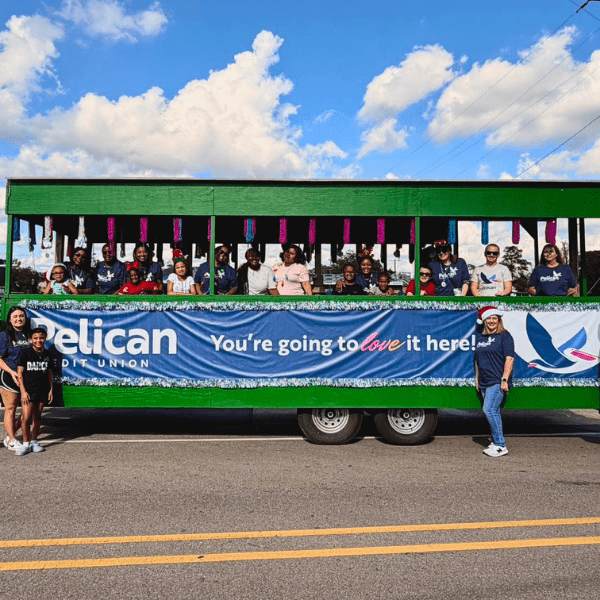
Consistent presentation across advertising, social media, sponsorships and community outreach
Your awareness-level touchpoints should make potential members think, “I want to know more.” Your brand should intrigue them, drive interest and lead them naturally to the next step in the journey: consideration.
Phase 2: Consideration
“Can I actually see myself banking here?”
During the consideration phase, prospects move from passive awareness into active evaluation. At this phase, you can expect prospective members to be:
- Researching credit unions vs. banks
- Comparing rates
- Exploring services & offerings
- Reading reviews
This is usually where the first signs of the “burger problem” begin to surface. The promise looked great in the ad. Now prospects are checking whether the experience actually matches it.
A warm and engaging social presence can quickly lose momentum if the website experience feels confusing, outdated or disconnected from how the brand exists elsewhere. Because financial decisions already require careful consideration, even small mismatches like these can make someone hesitate.
At this stage, consistency should focus on reassurance with things like:
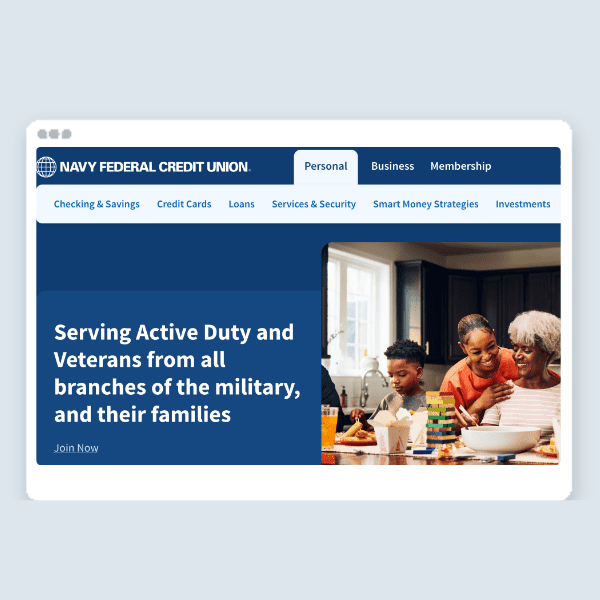
Clear and accessible website navigation
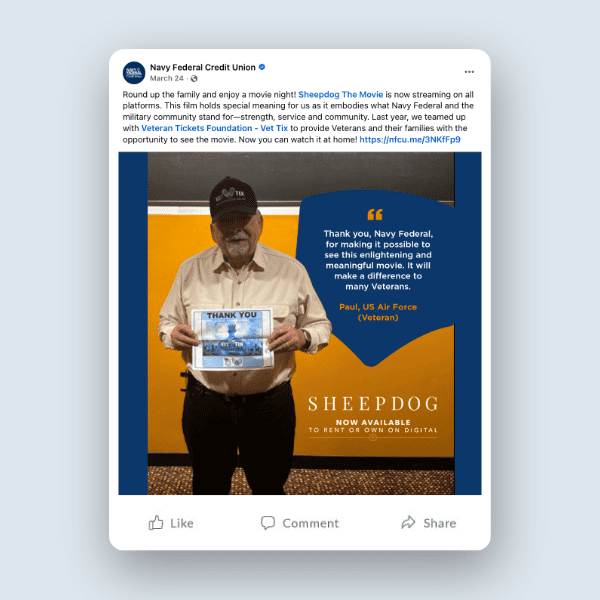
Consistent tone of voice across digital platforms and membership communications
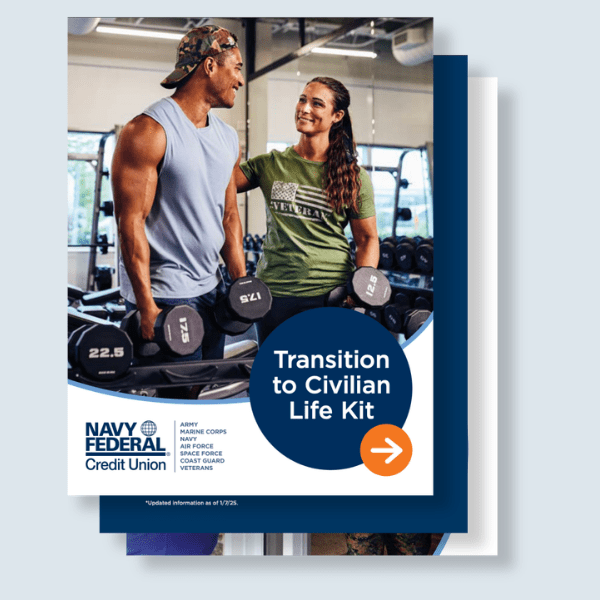
Educational content that positions the organization as supportive and knowledgeable
Prospective members should feel guided through their decision-making, not pressured to skip ahead or jump before they’re ready.
Phase 3: Onboarding
“I made the right choice.”
Your onboarding experience is one of the most important opportunities to build trust in the member journey. Once someone becomes a member, it’s time to deliver the burger. The expectations have already been set. Now, the experience has to live up to them.
A smooth onboarding process communicates organization, reliability and your commitment to managing the relationship. On the flip side, a fragmented process can leave new members uncertain and questioning whether they made the right choice.
This phase is where brand consistency also leans more on operational features. This may look like:
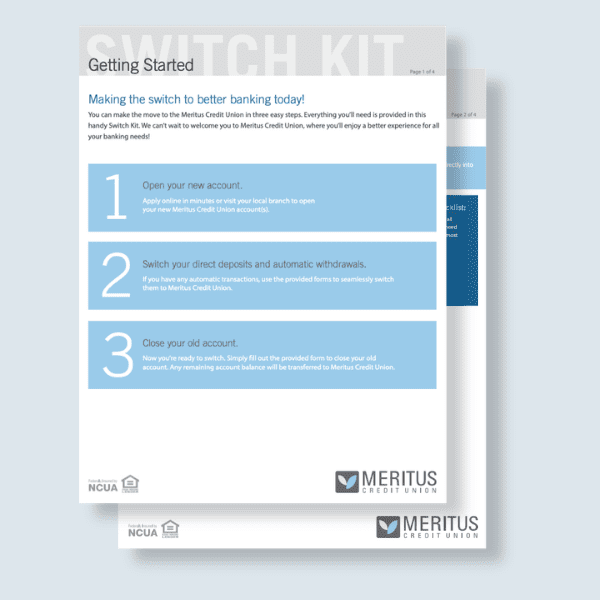
Clear guidance around next steps, account access, digital tools and available services
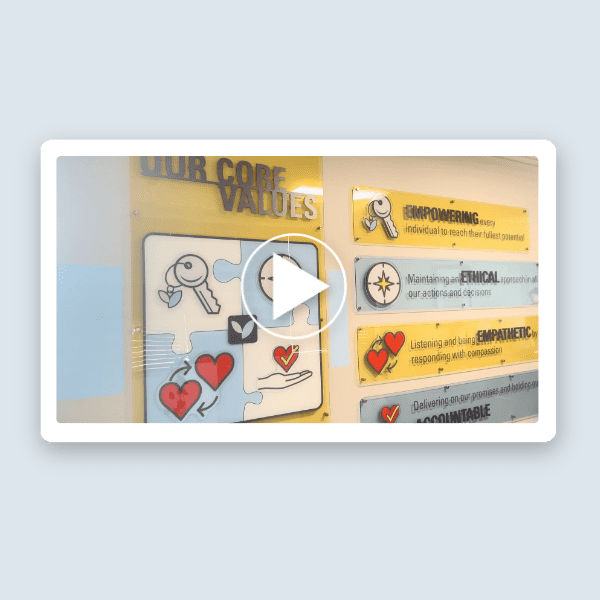
Digital and in-person experiences that align with your key brand promises
Phase 4: Everyday Engagement
“Wow, even ordinary days feel special here.”
Most member relationships are built during everyday interactions rather than major milestones.
Things like mobile app visits, customer service conversations, personalized offers, fraud alerts and routine transactions all contribute to someone’s long-term perception of your business. Trust isn’t built in a single moment. It’s built every time the experience matches the promise. Every mismatch is another reminder that the burger didn’t look quite like the picture.
Members pay close attention to how organizations respond during moments of inconvenience, uncertainty, or stress. Here’s how you can help your brand show up in these moments:

Daily member support that feels responsive, empathetic and aligned across channels
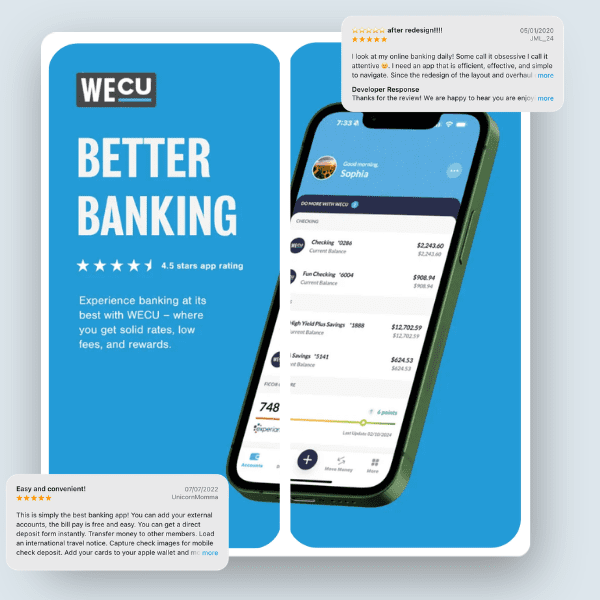
Digital platforms that function reliably and intuitively
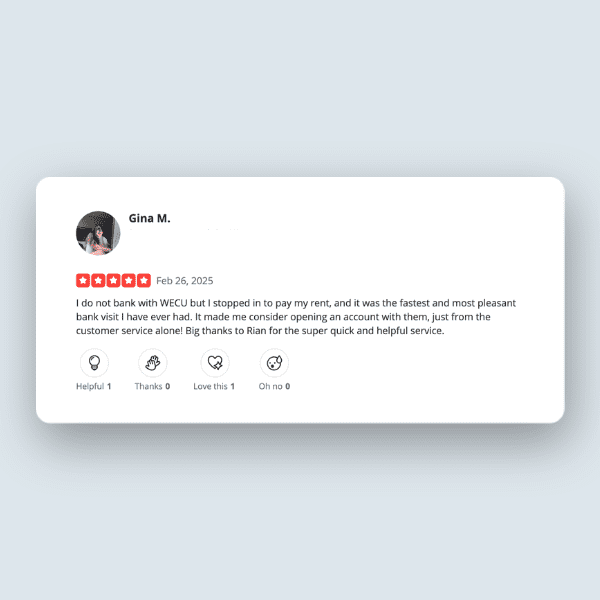
Customer service that delivers solutions quickly without red tape
This phase is especially important because it shows that your brand values are actually taken seriously and part of your daily operations (not just nice words on your About page).
Phase 5: Loyalty & Advocacy
“I’ve got to tell someone about this place.”
For any business, loyalty is a tough nut to crack. That’s mostly because it can only be earned through consistent, quality experiences over time that align with consumer expectations. There are no shortcuts.
Members who advocate for a credit union or other loved brand do so because their experience has been reliably positive over time. The business feels familiar, trustworthy and aligned with their needs and values, so much so that they feel comfortable attaching themselves to a public endorsement.
When we think about this phase, we have to consider the members’ mindset at this point. They’ve likely been a member for a while. They’ve shown some level of attachment (because hey, they haven’t jumped ship yet, right?) And what they want is to be recognized for that and to continue seeing effort on your end to keep their business. This means that our communications should reinforce:
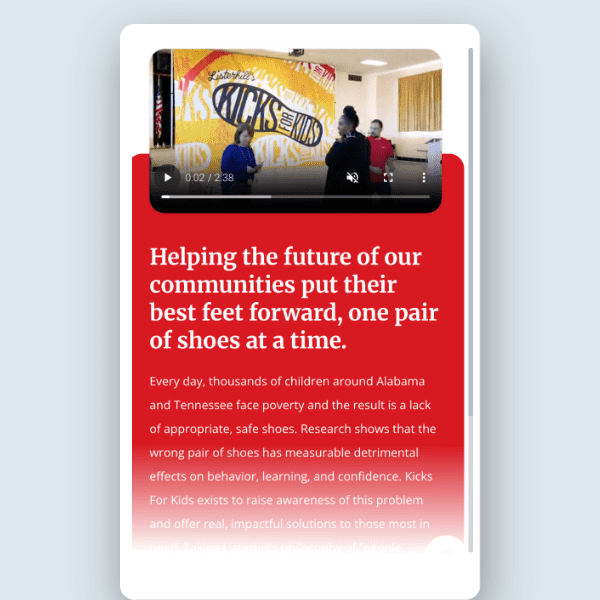
A continued commitment to member well-being and community involvement
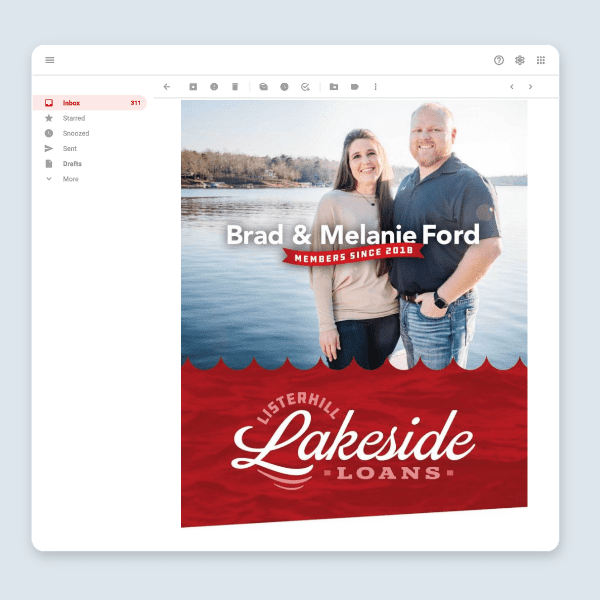
Personalized communication that makes members feel seen
(Credit Wes Childers)

Experiences that show members they are valued beyond transactions alone
Create a Consistency That’s Seen, Felt & Expected
From awareness to advocacy, trust is the underlying currency that influences a member’s decision to join, stay or leave. And trust is built when the experience matches the promise. In other words: when the burger actually looks like the picture.
And in today’s financial landscape, trust is one of the most valuable assets a credit union can build.
Research shows that acquiring a new customer costs significantly more than retaining an existing one, with customer acquisition costs rising more than 200% in recent years. That means every new member is increasingly expensive to earn— and every churned member is a significant business loss.
Even modest improvements can create significant returns. Studies have found that increasing customer retention by just 5% can increase profits by anywhere from 25% to 95%. For credit unions, keeping members engaged can have a notable impact on business growth over time.
The best brands don’t create bigger promises. They create experiences that consistently deliver on them. A member who encounters the same values, tone and level of service throughout the journey is more likely to remain engaged and recommend the institution to others. That’s the power of consistency. Because at the end of the day, nobody remembers the advertisement.
They remember whether the burger looked like the picture.