
Every competitive brand wants to be known for something beyond its products or services. Maybe it’s exceptional service, or science-fiction-like innovation or just being a business that always puts people first.
Whatever that promise is, most organizations will spend a lot of time (like, A LOT, a lot) carefully crafting messaging statements around how they want the outside world to see them. They build elaborate brand frameworks, develop multi-channel campaigns and even rework entire websites until every word and visual feels perfectly reflective of what they believe their brand is.
But when we take a step back and think about it, how often do businesses actually operate like the brand they market?
The Risks of a Say-Do Gap
Every organization has a story it wants to tell. The challenge is ensuring that your story is actually supported by the way your business functions and treats the people around it, because audiences today are more perceptive and more willing to move on.
They’re surrounded by marketing messages from brands the world over, and you better believe they can tell when your message is disconnected from reality. If your company says “we’re customer-first,” but your online reviews are filled with nothing but frustrating experiences, they notice. If your leadership champions diversity and social responsibility, but your hiring practices or business decisions conflict with those values, they notice.
That “say-do gap”—the disconnect between what your brand says and what it does—is where consumer trust goes to die. And its effects often go beyond consumer perception. In fact, the say-do gap is usually first felt by your internal team and, left unaddressed, it can weaken your company culture, too.
Here are a few common examples of say-do gaps that might feel familiar to you:
- A company promotes collaboration, but teams operate in disconnected silos.
- A brand claims to be transparent and honest, but its production practices are not made publicly available for customers or lower-level employees (or they are not accurate to what is made public).
- A brand positions itself as customer-first, but customers often experience unnecessary friction with products or in efforts to resolve issues.
- An organization highlights its commitment to employees, but its decisions fail to reflect that priority.
These kinds of brand inconsistencies create uncertainty and hesitation for everyone who interacts with the organization. And as far as consumers go, modern audiences are looking beyond polished campaigns.
They want proof that your values actually reflect real decisions and brand experiences. Because eventually, your in-person experience will tell your story for you, and it better live up to the hype. Brands that understand this are the ones that create customer relationships that last.

More Than Words on a Wall
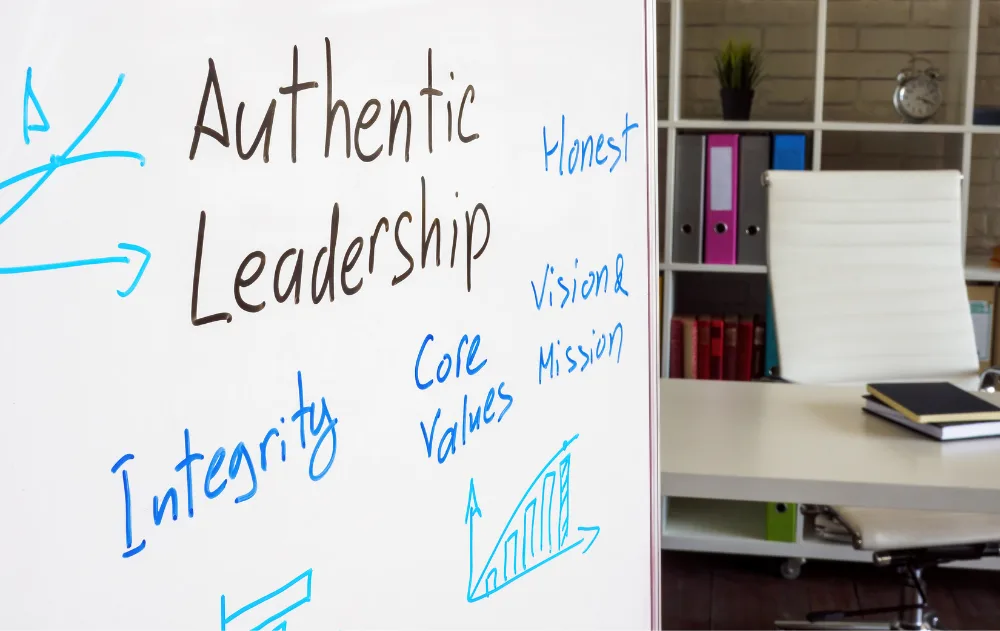
Whatever you do, don’t fall into the trap of relegating your values to fodder for motivational posters and checklists that collect dust in the backroom cabinet. Meaningful brand values aren’t meant to be purely decorative. They have to influence how your organization makes decisions, solves problems and behaves across your footprint.
So by all means, include them on your About Us page, add them to the employee handbook and display them proudly in the office lobby. But also make sure they’re doing real work in the real world, too.
It helps to think of values like a filter. If your brand values innovation, does your team create space for new ideas and experimentation? If your brand values community, are you actively investing in the people and places you serve? If your brand values transparency, are you communicating honestly when things get complicated? If your brand values putting people first, do your processes or products actually make people’s lives easier?
Remember, customers don’t experience your mission statement or the description of values on your website. But they do experience the actions your organization takes as a result of them.
How to Align Internal Values with External Messaging
Aligning your values internally doesn’t mean every employee suddenly needs to become a brand strategist. You just have to establish a shared understanding of what your brand represents and how that shows up in daily work. Here are a few ways your team can start to bridge the gap:
1. Define Your Values in Real-World Terms
It’s easy to throw some platitudes on paper and call it a day. But functional values have to be specific enough to guide action. For example, “Unwavering Integrity” sounds great, but what does it actually mean inside your organization?
Does it mean communicating openly with customers? Making ethical decisions on materials and logistics, even when they’re difficult? Taking ownership when mistakes happen? The more clearly your values are defined, the easier they are to apply on the job each day.
We suggest focusing on the principles already shaping your team and on the behaviors you want employees to champion moving forward. Then document those in your own words. Sometimes this part can be difficult to do without an unbiased outside perspective, so if you’re able to engage with a 3rd-party consultant or agency, this would be the best phase to bring them in.
2. Audit Your Brand Experience Journey
Once you understand what your brand should be communicating, it’s time to assess all parts of your brand experience journey to identify potential value misalignments throughout. This includes your customer journey as well as your employee journey. It’s here where you should ask yourself and your team questions like:
-
- Does our hiring process fully reflect our values?
- Do our internal communications sound like the brand we say we are?
- Do our customer experiences reinforce our promises at each step?
- Are there specific areas of our customer experience that don’t live up to our values?
- Do our products, services and processes match what we say matters?
If everyone answers honestly—and hopefully they do—you should see some trends come across in your responses. Maybe your brand is crushing it across the board. Or maybe your lived experience is a far cry from the story you’ve sold audiences. Or maybe…and this is usually the case…you’re somewhere in between, where your values are strongly represented in some places while being absent in others.
3. Create a Rollout Plan
Once you determine who your brand is and what it stands for, you need a strategy to realign your processes and values across your entire footprint. For this stage, it’s important to identify immediate areas to correct as well as resources to continue evaluating and moving toward a cohesive brand experience that reflects your values. This may include things like:
-
- A communication schedule for unveiling alignment initiatives and reinforcing values
- Department-based best practices to ensure values are reflected in all areas
- Routine assessments that can identify and correct misalignments moving forward
- Rewards or recognition for employees or departments that champion values internally and externally
This framework can extend to various areas of the business including HR operations, customer service, and social responsibility practices.
4. Give Employees the Tools to Deliver
In theory, it’s easy to understand any brand, but bringing it to life is a different story. While leadership and marketing team members who helped define the brand have deep insight into what makes it work, other employees may need additional guidance on how your brand values translate into action. And when employees understand not only what the brand stands for, but how they contribute to it, consistency becomes something your entire organization can own.
Important guidance tools to implement might include:
-
- Brand voice and messaging guidelines
- Customer experience standards
- Internal training sessions
- Storytelling resources
- Recognition programs that celebrate values in action
5. Turn Internal Truths Into External Stories
The best marketing usually comes from real things already happening within an organization. So instead of trying to manufacture authenticity with overly curated social calendars and scripted PR posts, look for opportunities to highlight genuine value-reflecting work that makes your business unique.
This could include things like:
-
- First-person testimonials and stories from customers
- Case studies of your employees solving problems
- Recaps of your team supporting the local community
- Fireside chats with leadership where they discuss recent value-driven decisions
Build a Brand That’s Authentic Inside and Out
Strong brands understand that authenticity starts internally with employees, leadership, processes and everyday decisions. Marketing is just the mechanism that reveals it, and if your team doesn’t believe the story you’re telling, your customers probably won’t either.
Feel like your values and external communications are out of sync? Let’s talk.
Start the conversation today and discover how brand alignment can turn your company’s promise into a consistently rewarding experience for every audience.

Dashboards feel daunting? Post trends make your head spin? It’s Kelly to the rescue. Savvy with social media and online strategy, she’s got the insights to ignite engagement for any goal. With her running the digital world on your behalf, you can take your mind off online and focus on what matters: growing your business.