
Brands go through that, too.
And while your brand should ideally remain consistent as much as possible, that doesn’t mean it can’t evolve to better suit new conditions. When it comes to that haircut, you can rock the same style for a while, but at some point, it might make more sense to try a new look to match a new phase of life.
In the same way, your brand is allowed to change, too. Markets shift, audiences evolve and even the strongest brands can lose their magic if they don’t keep up with modern ideals and taste. Whether you’ve outgrown your original identity or you’re entering new territory, a rebrand isn’t just about slapping on a new logo.
It’s about realigning who you are, who you serve and what your purpose is. Here’s how to tell if it’s time to start fresh, and how getting honest about your brand can set you up for relevance in the long run.
1. Your audience can’t recall or identify your ads.
In early advertising, the singular function of a brand was to ensure consumers recognized your company so they could easily find and choose you in the market. Now, branding serves a variety of purposes. It aligns companies with purpose. It attracts and retains talent. It drives philanthropy. But even so, that original purpose still carries weight: If your audience can’t tell you apart from the competition, your brand is simply not doing its job.
Consistency and distinction are fundamental to strong branding, and when those start to blur, so does recognition. A rebrand gives you the chance to reframe your story to speak to new audiences, modernize your visuals and adjust messaging to create distance and altitude from other voices in the market. The goal? To make your brand so recognizable that even without your logo, people know it’s you.
Example:
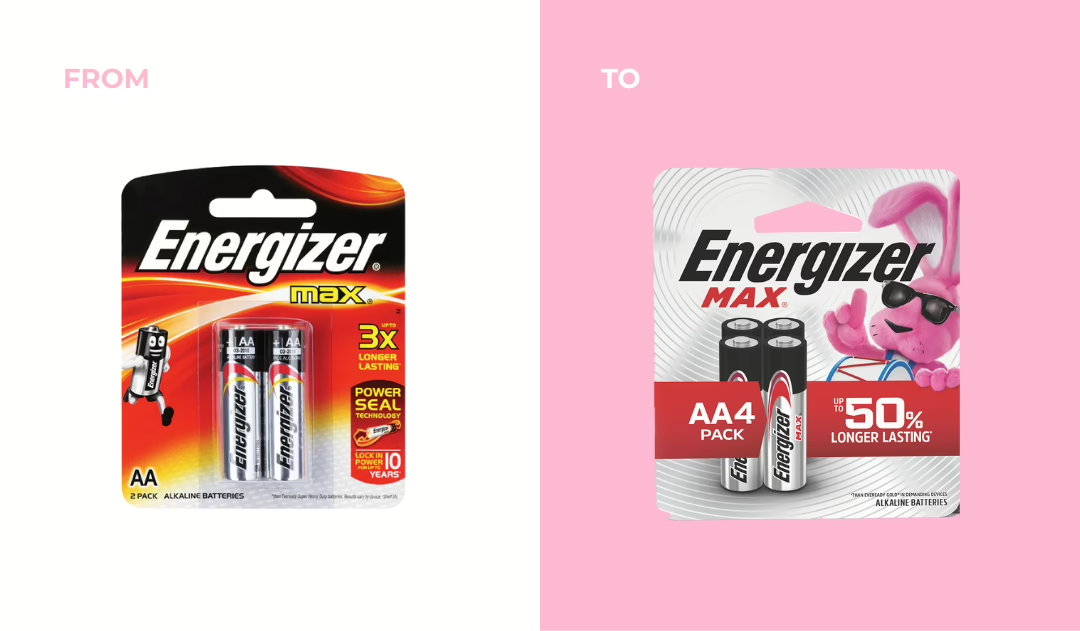
Amid a sea of similar packaging, Energizer revamped its look to make its products stand out at a glance. They stripped away clutter, sharpened the color palette and leaned into bold contrast so shoppers could instantly spot their brand.
2. Your brand no longer represents your full organization.
Businesses evolve all the time. They add departments (or lose departments). They expand locations. They take on new services. They break off from parent companies. They merge with competitors. They do all of these things—things that fundamentally change who they are and who they are for—that it becomes essential for their brands to follow suit.
Maybe your brand is in the middle of one of these critical transformations or has recently undergone a shift. If so, ask yourself this: Does your brand currently represent what your company was or does it represent what you’ve become? If it’s the former, it’s probably time to bring your branding up to speed. After all, a smart rebrand bridges that gap between perception and reality, aligning your story, look and voice with where your organization is headed.
Example:
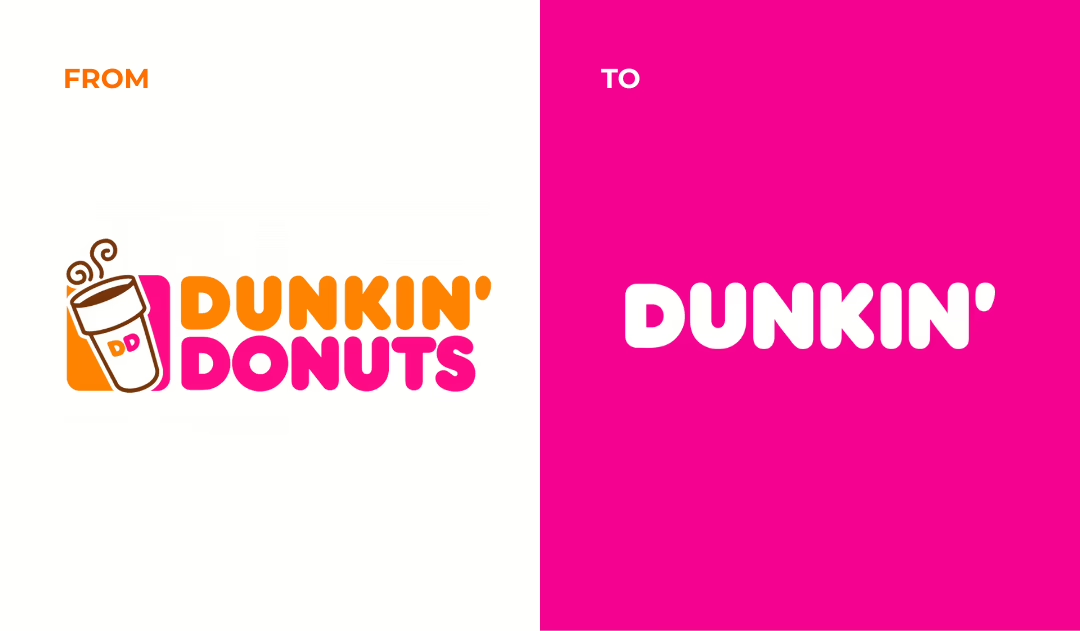
Dunkin’ refreshed its brand to break away from the perception that it was mostly a donut shop. By dropping “Donuts” from the name and updating the visuals to feel more energetic and coffee-focused, they highlighted their role as an on-the-go beverage destination.
3. Your visual brand no longer matches your voice.
People are incredibly perceptive. And as marketers, we don’t give them credit enough for that. In fact, they are so perceptive that when a company’s messaging style fails to align with its visual look, it’s enough to give them pause. They may not have the words for what feels off. But something in their instincts triggers them to reinspect the brand through a more critical lens.
This same feeling happens when we get phishy emails from people claiming to be someone we know, like a friend or even our bank. Maybe it’s the sender’s phrasing or the content itself, but it’s enough to raise a red flag in our heads that this message might not be authentic. And what does that mean for us? Are we at risk?
Visual branding and written branding are two sides of the same coin. They have to work together, and when they don’t, confusion and mistrust ensues. And if you’re wondering, confused, distrusting audiences don’t convert.
Authentic brands know their lane, own their personality and let that honesty drive connection. If your brand visuals say “corporate and stiff” but your copy reads like “fun and friendly,” it’s time for a rebrand that gets everything on the same page.
Example:
By shifting from the colorful, rainbow logo to a more minimalist style, Apple was able to align its visual identity with the company’s focus on simplicity, innovation and premium design.

4. You’re entering new markets.
Every market has its own culture, shorthand, humor and sense of what “trustworthy” looks like. So when your business steps into new regions and encounters new audiences, your brand has to bridge that cultural gap fast. Because while your offering might be the same, how people perceive it can be completely different.
Think about it like hosting a dinner party in someone else’s home. You don’t have to change who you are. You just have to show up with the right vibe and respect for the room. That’s what a rebrand can do. It helps you find your footing in new markets and position your brand as a welcomed face rather than a stranger knocking on the door.
A good thing to note here, as well, is that rebranding in these situations doesn’t call for reinventing the wheel. In many cases, slight adjustments in voice or visuals may be all that’s needed to meet your new community where they are without losing the core of who you are. Because at the end of the day, relevance is what opens the door, but authenticity is what gets you invited back.
Example:
Kodak adapts its branding to each market. In the U.S., it’s still strongly associated with photography, staying true to its heritage. But in places like South Korea, Kodak has shifted toward fashion, appearing on clothing and accessories. Essentially, the brand tailors its image to what resonates most with local consumers while maintaining the core Kodak identity.

5. Your results are consistently declining.
Unless you have a real cataclysmic PR nightmare, declining engagement generally doesn’t happen overnight. It’s a slow fade that drains interactions over days into months. One day your campaigns fire up conversations and get snowballing shares online. The next campaign, it’s crickets. That silence is often your audience telling you something that your data already knows: your brand has lost its shine.
When that happens, a rebrand can be the fresh sparkplug that gets your engine running again. Don’t confuse this as a quick cosmetic fix, though. Unlike light lifts needed for entering new markets, audience decline usually calls for something more substantial. We’re talking about a deep look into the proverbial marketing mirror to discover what your brand really believes in. A realignment of purpose, personality and presentation.
Look at it as your chance to step back and ask “What do we stand for now?” and reemerge with a message that reignites confidence in where your brand is headed, both from your audience and your own team.
Because when your people feel proud again (and when your story feels timely and true) momentum always follows. Energy attracts energy, right? And suddenly, you’re not chasing engagement anymore. You’re creating it.
Example:
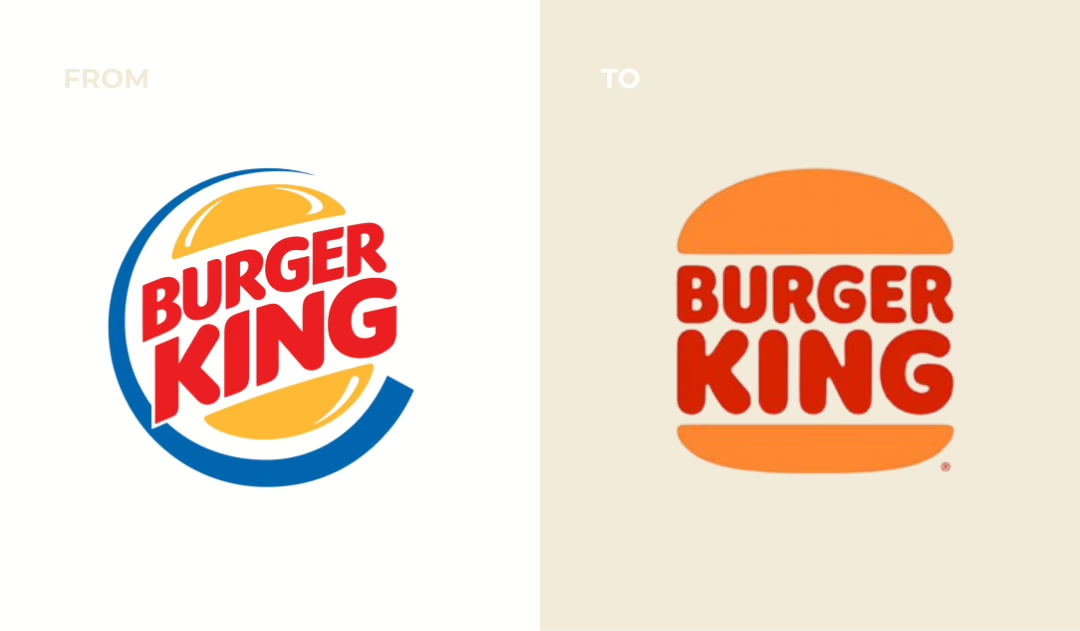
Burger King’s rebrand helped turn around declining sales by modernizing its image and reconnecting with customers. They refreshed their logo, updated packaging and embraced a bolder, more playful tone in marketing. The changes made the brand feel contemporary and relevant, which helped draw back lapsed customers and attract new ones.
Complacency Comes with a Cost
Standing still might feel safe, but in marketing, it’s actually the riskiest move you can make. Trends shift, audiences evolve and competitors don’t wait around for anyone. If your brand looks tired, your messaging feels stale or your visuals belong to an outdated era, you’re already losing ground to competitors.
What’s possibly worse is this can cost you trust with your customers, something that is incredibly difficult to build in the first place. And with trust goes relevance and revenue. Customers notice when a brand isn’t keeping up, and first impressions matter more than ever in today’s oversaturated environments.
Competitors who invest in staying fresh and aligned? They’re the ones capturing attention, building loyalty, and ultimately, gaining market share. A smart rebrand shows your audience that you’re evolving with them. It proves that you’re listening, and maybe more importantly, that you’re confident about where you’re headed.
Build a Brand That Works for You
We get it, rebranding can seem like quite the task. But it doesn’t mean you have to start from scratch. All a good rebrand asks is that you evolve with intention. You take the time to understand where changes are needed (and why), and you invest in the transformation.
Whether your business has outgrown its visuals, voice, vision or all of the above, the right strategy can actually make all the difference.
Think a rebrand could help your bottom line? Let’s talk.