While cross-channel marketing originated in the 1990s, when companies began using direct mail campaigns alongside traditional sales, the landscape has since significantly expanded. There are many more channels to consider, and instead of being a helpful tactic, this multi-channel approach to marketing is now a strategic imperative.
The lifeline of cross-channel marketing strategy is data. Using unifying analytics from Customer Relationship Management (CRM) platforms, social media, email campaigns, and web data, we can craft data-driven marketing strategies that resonate deeply with your target audience, drive results, and build brand equity.
Turning Actions Into Insights
Jumping into a marketing campaign strategy without data insights is like trying to build a house without seeing the blueprints. While creative instincts are valuable, they’re most powerful when paired with insights derived from real-world data.
Data from a CRM can provide a wealth of information about customer demographics and journeys, conversion behavior, and pain points. Social media analytics reveal audience preferences, trending topics, and engagement patterns. Meanwhile, email open rates, click-throughs, and web traffic can offer actionable signals about content performance and user intent.
The challenge in 2025 isn’t the lack of data—it’s how to bring it all together meaningfully. We can use these tools to paint a holistic picture of your audience and their channel habits. We can then:
- Define (& Refine) Campaign Strategies: Data reveals what’s working and what isn’t. Using historical and real-time data, we can develop strategic, data-driven marketing campaigns that capitalize on what works best—saving precious resources while still driving results.
- Determine Optimal Channels: With the ceaseless expansion of online niches, finding your target audience can be like a real-life “Where’s Waldo?” Luckily, we can lean on the data we already have to simplify our search and reach our people easier than ever before.
- Ensure Tailored Messaging and Personalize Experiences: By understanding audience preferences and behaviors, we can deliver content to specific audience segments that connect them with your brand, boosting engagement and conversion.
Let’s dive into each of these a little further.
Data-Driven Campaign Strategies
As marketers, we know that every good campaign starts with knowing who your target audience is, what you want them to do, and why they should care. Using data helps clarify these points and ensures your campaign is effective.
Who: There are tons of tools out there that can help you build a decent audience profile. However, you probably already have much of that data at your fingertips. Check your website analytics for visitor demographics like age, gender and location. Also, see who converts the most. Just using this data, you can put together a decent demographic profile.
What: Hopefully, you’ve gone into the campaign planning process already knowing your ultimate goal. However, data may reveal new insights that refine your objective. For example, if you notice a pattern of cart abandonment, you might shift your goal to focus on recovering those abandoned carts instead of just increasing overall sales.
Why: Arguably, the most important part of your marketing campaign strategy is defining your audience’s pain points and outlining how your product or service will solve them. While the other sections focus on quantitative data, this requires more descriptive, qualitative data. Conducting surveys using tools like Qualtrics, interviewing some of your most loyal customers, and hosting focus groups are great ways to gather this information.
Precise & Powerful Targeting
Once you have your campaign strategy, it’s time to outline your targeting strategy—using data, of course. Going back to our previous example, if you notice an increase in cart abandonments in your ecommerce business, you can use pixel data to target those users with ads for the products they left behind. With a pixel in place, you can follow these users even after they leave your site, then use that data to make your ads more relevant and personalized. This is just one, super effective way to use data in your campaign targeting.
Informing Campaign Creative
Data doesn’t just inform the overall strategy and audience targeting; it also shapes the creative. For example, landing page analytics might show that short-form video performs better than long-form content. This information guides creative teams to focus on producing pointed, engaging videos rather than spending time and resources on longer formats that won’t actually resonate.
When informed by data, creativity becomes exponentially more successful. Consider this case study:
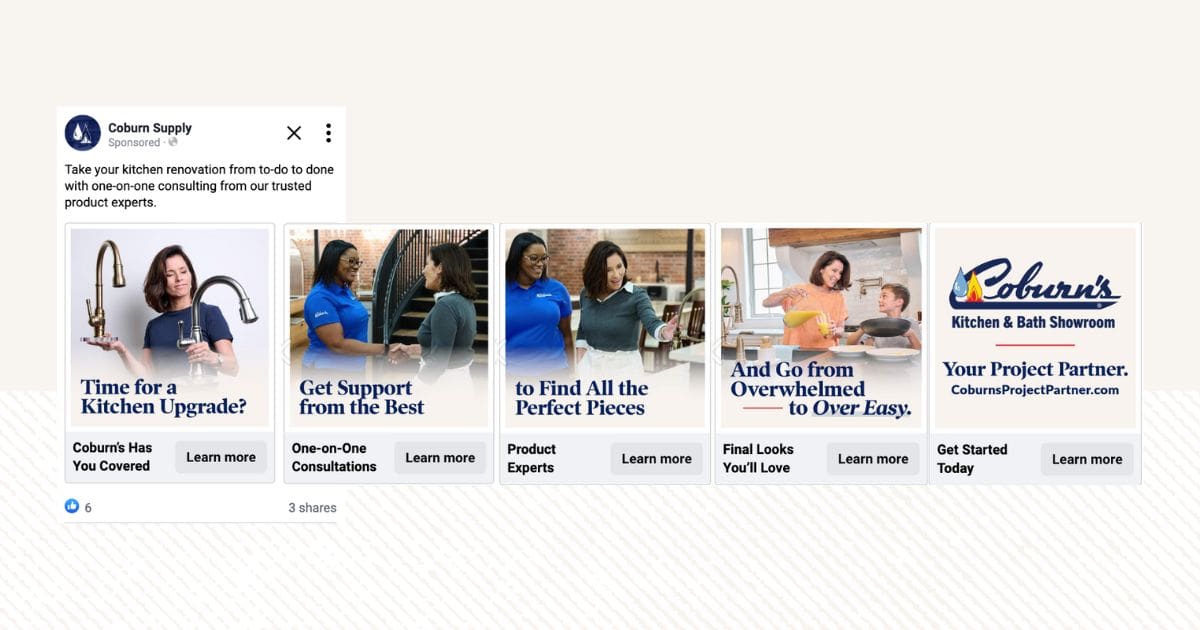 After running a cross-channel marketing campaign for our client in the same markets for over a year, we recognized the opportunity to refresh our ads and use the data we gathered to guide creative execution. To do this, we carried out a series of A/B tests, with each iteration building upon insights from previous versions.
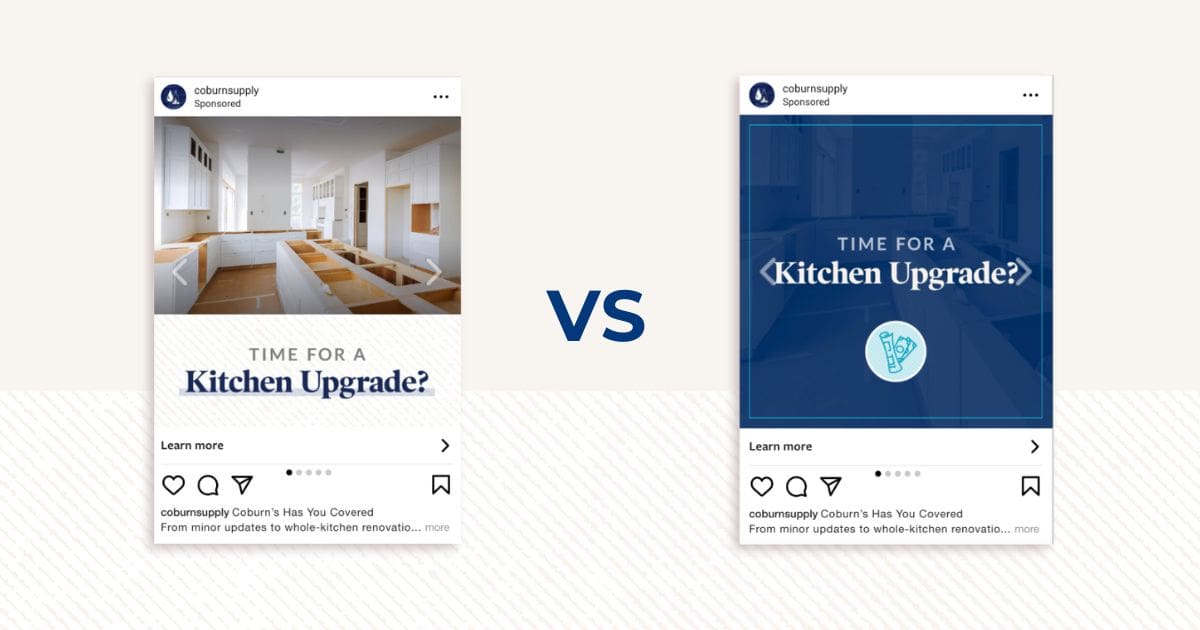 Initially, we tested the performance of photography versus graphic visuals. The results were clear: photography garnered 311 clicks compared to just 33 clicks for graphics, an 842% improvement.
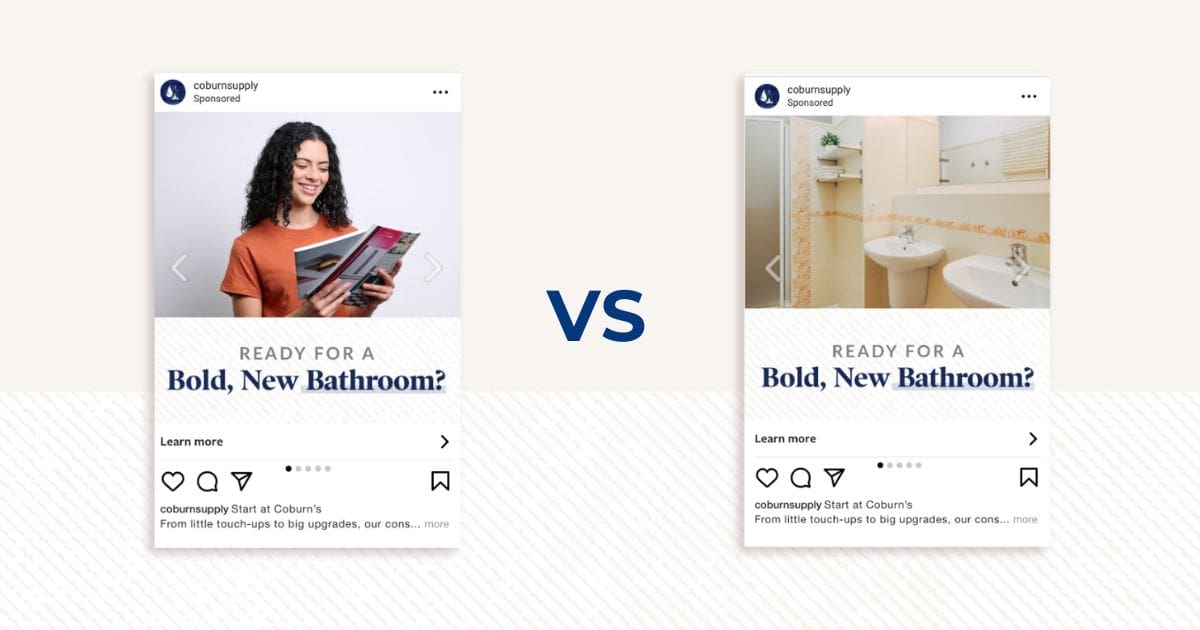 Next, we examined people-centric versus repair-centric photography styles, finding that human-centric visuals drove 446 clicks compared to 129 clicks for repair-focused imagery—a 246% improvement.
 Finally, we tested on-graphic versus off-graphic text placement. Off-graphic text resulted in 1,251 clicks versus 167 clicks for on-graphic text, a staggering 649% improvement.
Through this process, we reduced cost per click by 18%, improved click-through rate by nearly 70%, and increased total click-throughs by 24%, demonstrating the power of data-guided creative optimization.
Continuous Optimization: Let the Numbers Guide
In 2025, a successful campaign can’t be static. They’re dynamic and data-driven. Tools like Google Analytics allow us to see real-time campaign performance and use insights to enable continuous optimization in many different ways like:
- Run A/B Tests: Experiment with creative, messaging or channel placement variations to determine what drives the best results, as seen in the case study above.
- Identify Seasonal Trends: Use data from past years to plan for increases in user activity and key areas of interest. Then, use this data to make sure that campaigns are timely and targeted.
- User Journey Evaluation: Leverage user action data to evaluate where your audience is in their buying/conversion journey. This can inform what kind of follow-up campaign should be executed.
Crafting Smarter Integrated Campaigns
Collecting and using cross-channel marketing data isn’t just about implementing efficiencies. It’s about creating meaningful connections with your consumer. By integrating insights, we can transform campaigns from one-off interactions to cohesive, relationship-building efforts.
Integrated marketing is about turning numbers into stories. It’s about using data to guide where you deliver your message and how you craft it—ensuring every touchpoint feels intentional and connected. With the right mix of creativity and analytics, your campaigns will resonate, captivate and drive results.